
Healthy hair starts with more than shampoos, oils, and treatments. Your hair follicles need a steady supply of protein, iron, zinc, healthy fats, vitamins, and other nutrients to support normal hair growth and maintain strong hair. A balanced diet can help prevent nutrient-related hair problems, although food alone cannot treat every cause of hair loss.

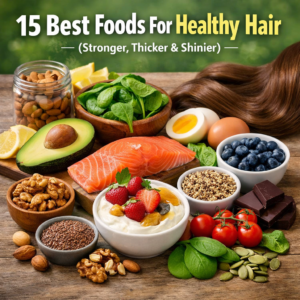
The best hair growth foods include eggs, fatty fish, lentils, beans, leafy greens, nuts and seeds, berries, sweet potatoes, avocados, and dairy or fortified alternatives. These foods provide nutrients such as protein, iron, zinc, omega-3 fats, vitamin C, vitamin D, and other vitamins that support normal hair and follicle health.
Key Takeaways
- Protein is essential because hair is primarily made of a protein called keratin.
- Iron helps support oxygen delivery to tissues, and inadequate iron can contribute to hair shedding.
- Zinc supports normal tissue growth and repair.
- Omega-3 fatty acids are important healthy fats that can be part of a balanced diet for overall health.
- Vitamin C helps the body absorb iron from plant foods and supports collagen production.
- Vitamin D and B vitamins have roles in normal body functions related to hair and skin health.
- Eating a variety of nutrient-dense foods is generally more useful than relying on one “hair growth” food.
- Supplements aren’t automatically better than food and can be harmful when taken unnecessarily.
Why Does Nutrition Matter for Hair Growth?
Nutrition matters because hair follicles are active structures that require energy and nutrients to function normally. When the body doesn’t receive enough calories, protein, iron, or other essential nutrients, hair growth can be affected. The result may be increased shedding, weaker strands, or slower recovery from temporary hair loss.
Hair growth also naturally varies from person to person. Genetics, age, hormones, stress, medications, health conditions, and hair-care practices can all influence how much hair you have and how quickly it grows.
That means food is an important part of healthy hair care, but it’s not the whole picture.
15 Best Hair Growth Foods for Healthier Hair
1. Eggs
Eggs are one of the easiest foods to include in a hair-friendly diet because they’re rich in high-quality protein and provide several nutrients, including biotin.
Protein matters because hair’s main structural protein is keratin. Your body needs adequate dietary protein to make and maintain proteins throughout the body, including those involved in hair.
How to eat eggs
Try:
- Boiled eggs with whole-grain toast
- Vegetable omelets
- Scrambled eggs with spinach
- Eggs added to a balanced breakfast bowl
You don’t need to eat eggs every day to benefit from their nutritional value. Variety matters more than relying on a single food.
2. Fatty Fish
Salmon, sardines, mackerel, and other oily fish provide protein and omega-3 fatty acids. Many also contain vitamin D and other important nutrients.
Omega-3 fats are essential fats that your body needs from the diet. Fatty fish can therefore be a useful addition to an overall balanced eating pattern.
Good choices include:
- Salmon
- Sardines
- Mackerel
- Herring
- Trout
If you don’t eat fish, plant foods such as chia seeds and flaxseeds provide alpha-linolenic acid (ALA), a plant-based omega-3 fatty acid.
3. Spinach and Other Leafy Greens
Leafy greens can be particularly useful because they provide several nutrients in one food group.
Spinach contains:
- Iron
- Folate
- Vitamin C
- Vitamin A
- Other plant compounds
Iron is especially important because inadequate iron status can be associated with hair shedding in some people.
Pairing spinach with a vitamin C-rich food can also help your body absorb the non-heme iron found in plant foods.
Example: Add spinach to a lentil curry and squeeze some lemon over the meal.
4. Lentils
Lentils are an excellent plant-based source of protein and provide iron, zinc, folate, and other nutrients.
They’re especially useful for people who eat little or no meat because they can contribute both protein and iron to the diet.
Easy ways to eat lentils
- Lentil soup
- Dal
- Lentil salads
- Lentil curry
- Lentils with brown rice and vegetables
For better absorption of plant-based iron, combine lentils with foods rich in vitamin C, such as tomatoes, bell peppers, oranges, or lemon.
5. Beans
Beans are another practical food for supporting a nutrient-rich diet.
Depending on the variety, beans can provide:
- Protein
- Iron
- Zinc
- Folate
- Fiber
Kidney beans, black beans, chickpeas, and white beans can all fit into a balanced diet.
A simple meal of beans, whole grains, and vegetables can provide a useful combination of protein, minerals, and complex carbohydrates.
6. Nuts
Nuts provide healthy fats, protein, zinc, vitamin E, and other nutrients.
Almonds, walnuts, peanuts, and cashews can be convenient additions to meals or snacks.
Try:
- A small handful of mixed nuts
- Chopped walnuts over oatmeal
- Almonds with fruit
- Nut butter on whole-grain toast
Nuts are calorie-dense, so moderate portions are generally enough.
7. Seeds
Seeds are small but nutrient-dense.
Particularly useful options include:
- Pumpkin seeds
- Chia seeds
- Flaxseeds
- Sunflower seeds
- Sesame seeds
Pumpkin seeds, for example, provide zinc and protein. Chia and flaxseeds provide ALA omega-3 fats.
Add seeds to oatmeal, yogurt, smoothies, salads, or homemade energy bites.
8. Sweet Potatoes
Sweet potatoes are rich in beta-carotene, which the body can convert into vitamin A.
Vitamin A has important roles in normal cell growth and maintenance. However, more isn’t necessarily better. Excessive intake of preformed vitamin A from supplements can actually contribute to hair loss.
That’s one reason getting nutrients from a varied diet is generally preferable to taking high-dose supplements without a medical reason.
9. Berries
Strawberries, blueberries, blackberries, and other berries provide vitamin C and various plant compounds.
Vitamin C is particularly useful because it:
- Supports collagen production.
- Helps protect cells from oxidative damage.
- Improves absorption of non-heme iron from plant foods.
For someone relying heavily on plant-based iron sources, pairing iron-rich foods with vitamin C-rich fruit or vegetables can be a smart dietary habit.
10. Avocados
Avocados provide monounsaturated fats, fiber, folate, and several vitamins and minerals.
Healthy fats are important for overall nutrition, and avocado can make meals more satisfying while adding useful nutrients.
Try avocado with:
- Eggs
- Whole-grain toast
- Beans
- Salads
- Grain bowls
11. Greek Yogurt and Other Dairy Foods
Greek yogurt provides protein and several nutrients, including calcium and vitamin B12.
Protein is particularly relevant to hair because inadequate protein intake can interfere with normal hair growth.
If you don’t consume dairy, fortified plant-based alternatives can provide some comparable nutrients. Check the nutrition label because nutrient content varies considerably between products.
12. Oysters and Other Shellfish
Oysters are particularly rich in zinc and also provide protein and iron.
Zinc is involved in numerous biological processes, including normal cell growth and tissue repair.
However, you don’t need to eat oysters to get zinc. Other options include:
- Beef
- Poultry
- Beans
- Lentils
- Pumpkin seeds
- Nuts
A varied diet can provide zinc without relying on one particular food.
13. Poultry
Chicken and turkey are convenient sources of high-quality protein.
If your diet is low in protein, adding poultry, eggs, fish, dairy, legumes, tofu, or other protein-rich foods can help improve overall protein intake.
For a balanced meal, combine poultry with vegetables and a whole-grain carbohydrate such as brown rice or whole-grain bread.
14. Lean Red Meat
Lean beef provides protein, iron, zinc, and vitamin B12.
The iron in meat is heme iron, which is generally more readily absorbed than the non-heme iron found in plant foods.
That doesn’t mean everyone needs red meat. Lentils, beans, leafy greens, fortified foods, and other plant sources can contribute iron as well.
If you eat meat, choosing lean cuts and maintaining variety can help keep your overall diet balanced.
15. Whole Grains
Whole grains such as oats, brown rice, quinoa, and whole-wheat products provide complex carbohydrates, fiber, and various micronutrients.
They can also complement other hair-supportive foods.
For example:
Oatmeal + Greek yogurt + berries + chia seeds
creates a meal containing protein, vitamin C, healthy fats, fiber, and several micronutrients.
The goal isn’t to find one magical ingredient. It’s to build meals where different foods contribute different nutrients.
Which Nutrients Are Most Important for Hair Health?
Several nutrients deserve particular attention when discussing diet and hair.
Protein
Protein is fundamental because hair is largely composed of keratin, a structural protein.
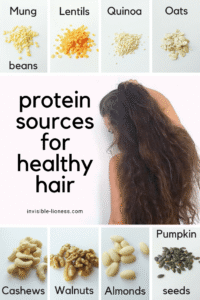
If someone consistently consumes too little protein, hair growth can be affected.
Good sources include:
- Eggs
- Fish
- Chicken
- Greek yogurt
- Tofu
- Lentils
- Beans
- Nuts and seeds
Iron
Iron is needed for hemoglobin production and oxygen transport.
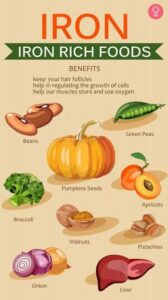
Iron deficiency can be associated with hair shedding, particularly in some people who have increased nutritional needs or lose iron through menstruation.
Iron-rich foods include:
- Lean red meat
- Lentils
- Beans
- Spinach
- Fortified cereals
- Shellfish
If you suspect iron deficiency, it’s better to discuss testing with a healthcare professional rather than taking high-dose iron supplements on your own.
Zinc
Zinc contributes to normal growth, cell division, and tissue repair.
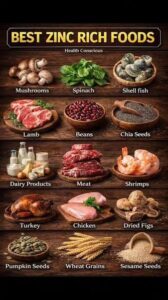
Sources include:
- Oysters
- Meat
- Poultry
- Pumpkin seeds
- Beans
- Lentils
- Nuts
Both inadequate and excessive zinc intake can cause problems, so supplementation should be appropriate rather than excessive.
Vitamin C
Vitamin C supports collagen formation and helps improve absorption of non-heme iron.
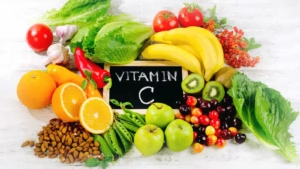
Excellent sources include:
- Oranges
- Guava
- Kiwi
- Strawberries
- Bell peppers
- Broccoli
- Tomatoes
Adding vitamin C-rich foods to plant-based meals is an easy nutritional strategy.
Vitamin D
Vitamin D has many roles in the body, and vitamin D status has also been studied in relation to various hair-loss conditions.
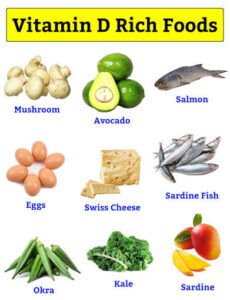
Food sources are more limited than for some other nutrients.
Sources include:
- Fatty fish
- Egg yolks
- Fortified milk
- Fortified plant beverages
- Some fortified cereals
If you’re concerned about vitamin D deficiency, a healthcare professional can help determine whether testing or supplementation is appropriate.
Biotin
Biotin is a B vitamin involved in several metabolic processes.
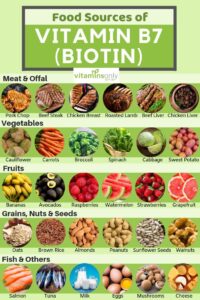
Biotin deficiency can cause hair thinning or loss, but true deficiency is uncommon in people eating a varied diet.
Foods containing biotin include:
- Eggs
- Nuts
- Seeds
- Legumes
- Salmon
- Sweet potatoes
High-dose biotin supplements are often marketed for hair growth, but more biotin isn’t necessarily better. Large amounts can also interfere with certain laboratory tests.
What Should You Eat in a Day for Healthier Hair?
You don’t need a complicated diet.
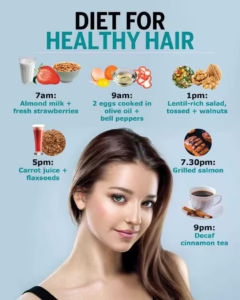
A simple day could look like this:
Breakfast
- Eggs
- Whole-grain toast
- Spinach
- Berries
Lunch
- Lentil or chickpea curry
- Brown rice
- Mixed vegetables
- Lemon or another vitamin C-rich food
Snack
- Greek yogurt
- Walnuts or pumpkin seeds
- Fruit
Dinner
- Grilled salmon or tofu
- Sweet potato
- Broccoli or leafy greens
Optional snack
- A small handful of nuts
- Fruit
- Fortified yogurt or milk
This type of eating pattern provides a variety of protein, minerals, healthy fats, vitamins, and fiber.
Best Vegetarian Hair Growth Foods
You don’t need meat or fish to build a nutrient-rich diet for healthy hair.
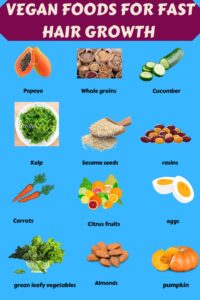
Vegetarian options include:
- Lentils
- Chickpeas
- Beans
- Tofu
- Tempeh
- Eggs
- Greek yogurt
- Pumpkin seeds
- Chia seeds
- Flaxseeds
- Nuts
- Spinach
- Broccoli
- Whole grains
If you follow a fully vegan diet, pay particular attention to nutrients such as vitamin B12, iron, zinc, vitamin D, iodine, and protein.
Fortified foods and appropriately chosen supplements may be useful depending on individual needs.
Best Hair Growth Foods for Women
Women may have specific nutritional considerations because menstruation can increase iron losses. Pregnancy, breastfeeding, restrictive dieting, and certain health conditions can also change nutritional requirements.
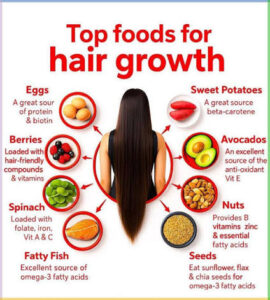
Useful foods include:
- Lentils
- Beans
- Eggs
- Lean meat
- Fish
- Leafy greens
- Pumpkin seeds
- Fortified cereals
- Dairy or fortified alternatives
- Vitamin C-rich fruits
If hair shedding is persistent or significant, food choices alone may not identify the cause. Iron deficiency, thyroid problems, hormonal changes, medications, stress, and several types of hair loss can produce similar symptoms.
Can Food Actually Make Your Hair Grow Faster?
Food can support normal hair growth, but there isn’t a single food proven to dramatically accelerate hair growth in everyone.

Hair growth is influenced by genetics, age, hormones, health, nutritional status, and the hair-growth cycle.
The biggest nutritional benefit usually comes when a person has an actual dietary deficiency or inadequate intake. Correcting that problem can help restore normal hair growth or reduce nutrition-related shedding.
If your diet is already nutritionally adequate, eating extra amounts of individual “hair growth foods” is unlikely to suddenly make your hair grow much faster.
Foods That May Be Less Helpful for Hair Health
No single food automatically causes hair loss when eaten occasionally. The bigger issue is an overall eating pattern that lacks essential nutrients.
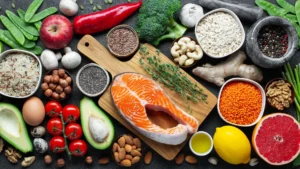
Highly processed foods can be part of a balanced diet, but relying heavily on them may make it harder to get enough:
- Protein
- Iron
- Zinc
- Vitamin C
- Vitamin D
- B vitamins
- Healthy fats
- Fiber
The goal isn’t perfection. It’s to make nutrient-dense foods the foundation of your regular diet.
Do Hair Growth Supplements Work?
Supplements can be useful when a person has a confirmed or likely nutritional deficiency. They’re not a universal solution for hair loss.
Taking high doses of certain nutrients can cause problems. For example, excessive vitamin A or selenium intake can contribute to hair loss, while excessive zinc can interfere with copper absorption.

Biotin supplements are also widely marketed for hair, but significant biotin deficiency is uncommon, and high-dose supplementation isn’t necessary for most people.
A good rule: Don’t treat hair loss with supplements blindly. If you’re experiencing persistent shedding, speak with a healthcare professional about possible causes and whether blood tests are appropriate.
Common Hair Nutrition Mistakes

1. Focusing on One “Superfood”
Eating one food every day won’t compensate for an otherwise poor diet.
Hair follicles need a range of nutrients.
2. Cutting Calories Too Aggressively
Severe calorie restriction or rapid weight loss can trigger temporary increased hair shedding.
A sustainable eating pattern is generally better for long-term nutrition.
3. Avoiding Protein
Some restrictive diets unintentionally provide too little protein.
Include a protein source at regular meals.
4. Taking Supplements Without Checking Deficiencies
More isn’t always better. Some nutrients can be harmful in excess.
5. Ignoring Persistent Hair Loss
Hair shedding can have causes unrelated to nutrition.
If the problem continues, don’t assume you simply need more vitamins.
How to Build a Hair-Friendly Diet
A simple approach is to focus on five categories.
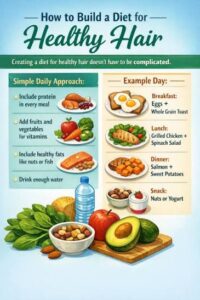
1. Add a protein source
Choose eggs, fish, poultry, dairy, tofu, beans, lentils, or another protein-rich food.
2. Include colorful produce
Aim for different fruits and vegetables throughout the week.
3. Add healthy fats
Use foods such as nuts, seeds, avocado, and fatty fish.
4. Include iron-rich foods
Combine plant-based iron sources with vitamin C-rich foods when possible.
5. Avoid unnecessary restriction
Unless medically required, an extremely restrictive diet can make it harder to meet nutritional needs.
When Should You See a Doctor About Hair Loss?
Diet can help support healthy hair, but persistent hair loss deserves proper evaluation.

Consider speaking with a healthcare professional if you notice:
- Sudden or heavy shedding
- Clearly visible thinning
- Bald patches
- A widening part
- Receding hairline
- Scalp pain, scaling, or inflammation
- Hair loss accompanied by other symptoms
- Hair loss that continues despite improving your diet
A professional can help determine whether the problem is related to nutrition, hormones, genetics, medications, scalp conditions, stress, or another cause.
Frequently Asked Questions
1. What are the best hair growth foods?
Eggs, fatty fish, lentils, beans, leafy greens, nuts, seeds, berries, sweet potatoes, avocado, dairy or fortified alternatives, and whole grains are all useful choices because they provide nutrients involved in normal hair and body health.
2. What should I eat to stop hair fall?
There isn’t one food that stops all types of hair loss. If shedding is related to inadequate nutrition, eating enough protein, iron, zinc, and other essential nutrients may help. Persistent hair loss should be evaluated to identify the underlying cause.
3. Do eggs help hair growth?
Eggs provide high-quality protein and several nutrients, including biotin. Because adequate protein is important for normal hair production, eggs can be part of a balanced diet that supports hair health.
4. Which fruit is best for hair growth?
There isn’t one universally “best” fruit. Berries, guava, oranges, kiwi, and other vitamin C-rich fruits are useful because vitamin C supports collagen production and helps the body absorb plant-based iron.
5. Is protein important for hair growth?
Yes. Hair is largely made of keratin, a structural protein. Consistently inadequate protein intake can interfere with normal hair growth.
6. Can iron deficiency cause hair loss?
Iron deficiency can be associated with increased hair shedding in some people. If you suspect iron deficiency, professional evaluation and appropriate testing are preferable to taking iron supplements without guidance.
7. Is biotin good for hair growth?
Biotin is necessary for normal metabolism, and severe deficiency can cause hair problems. However, most people who eat a varied diet get enough biotin, and high-dose supplements aren’t automatically beneficial.
8. Does drinking water help hair growth?
Adequate hydration supports normal body function, but drinking extra water beyond your body’s needs isn’t proven to dramatically increase hair growth. Focus on overall nutrition and regular hydration.
9. Can a vegetarian diet support healthy hair?
Yes. Vegetarian diets can provide the nutrients needed for healthy hair when they’re well planned. Lentils, beans, tofu, eggs, dairy, nuts, seeds, whole grains, fruits, and vegetables can all contribute.
10. How long does it take to see results from improving your diet?
Hair changes are gradual because hair grows through a cycle. If a nutritional deficiency is contributing to shedding, correcting it may help over time, but noticeable improvement won’t usually happen overnight. The timeline also depends on the underlying cause.
Key Takeaways
- A balanced diet is an important part of maintaining healthy hair.
- Protein, iron, zinc, vitamin C, vitamin D, and other nutrients all have important roles in normal body function and hair health.
- Eggs, fish, lentils, beans, leafy greens, nuts, seeds, berries, sweet potatoes, avocado, and whole grains are excellent foods to include.
- Plant-based iron is better absorbed when eaten alongside vitamin C-rich foods.
- Don’t assume supplements are necessary simply because they’re marketed for hair growth.
- Excessive intake of certain nutrients can actually be harmful.
- Persistent, sudden, or significant hair loss should be evaluated rather than treated with food alone.
Final Thoughts
The best approach to hair growth foods isn’t to search for one miracle ingredient. Healthy hair is better supported by a varied diet that consistently provides enough protein, iron, zinc, healthy fats, vitamins, and overall energy.
Build meals around whole or minimally processed foods, include a reliable protein source, eat a variety of colorful fruits and vegetables, and avoid unnecessary restrictive diets. If you’re experiencing ongoing or unusual hair loss, nutrition is only one piece of the puzzle, so finding the underlying cause is just as important.