
Shea butter is a natural fat extracted from the nuts of the African shea tree. It is rich in fatty acids, vitamins A and E, and other skin-conditioning compounds that help moisturize, soften, and protect the skin and hair. Some of the most recognized shea butter benefits include improving skin hydration, supporting the skin barrier, reducing dryness, soothing irritation, minimizing the appearance of fine lines, and helping hair stay softer and more manageable.
Natural skincare has become increasingly popular as more people look for simple, ingredient-focused routines. Among the many plant-based ingredients available today, shea butter has earned a reputation as one of the most versatile and dependable options.
Whether you’ve noticed it listed in your favorite moisturizer, body lotion, lip balm, or hair mask, there’s a good reason it appears in so many beauty products.
For centuries, communities across West Africa have used shea butter to care for dry skin, protect hair from harsh weather, and soothe minor skin discomfort. Today, dermatologists, cosmetic formulators, and skincare enthusiasts continue to value this natural ingredient because it combines excellent moisturizing properties with a rich supply of beneficial plant compounds.
This guide explains everything you need to know about the benefits of shea butter, including how it works, who can use it, the different types available, and practical ways to include it in your beauty routine.
What Is Shea Butter?
Shea butter is a creamy, plant-based fat extracted from the nuts of the shea tree (Vitellaria paradoxa), which grows naturally across West and Central Africa.
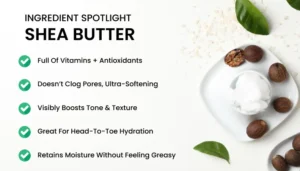
Unlike many commercial moisturizers that rely mainly on synthetic ingredients, shea butter contains naturally occurring fatty acids, vitamins, and antioxidants that nourish both skin and hair.
Fresh shea butter typically has an ivory or pale yellow color and a rich, creamy texture. It melts quickly when it comes into contact with body heat, making it easy to spread over the skin.
Because it is naturally thick, shea butter is commonly found in:
- Face creams
- Body lotions
- Body butters
- Lip balms
- Hair conditioners
- Hair masks
- Beard products
- Cuticle creams
- Baby skincare
- Stretch mark creams
Where Does Shea Butter Come From?
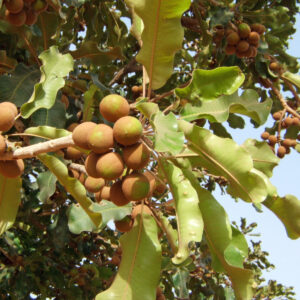
The shea tree grows throughout several African countries, including:
- Ghana
- Burkina Faso
- Nigeria
- Mali
- Ivory Coast
- Benin
- Togo
- Uganda
The tree is remarkable because it takes many years before it begins producing nuts. Mature trees can continue producing shea nuts for decades.
In many rural communities, harvesting and processing shea nuts provides an important source of income, particularly for women who have traditionally led the production of handcrafted shea butter.
How Shea Butter Is Made?
Understanding how shea butter is produced helps explain why high-quality products are often more expensive.
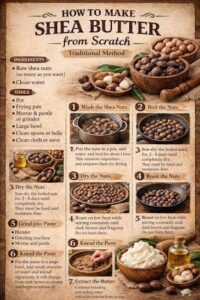
The traditional process includes several careful steps:
Step 1: Collecting the Fruit
When ripe, shea fruits naturally fall from the tree. Workers gather them from the ground.
Step 2: Removing the Nut
The sweet fruit is removed, leaving behind the hard nut.
Step 3: Drying
The nuts are dried thoroughly before processing.
Step 4: Roasting
The kernels are roasted to develop the oils inside.
Step 5: Grinding
Roasted kernels are ground into a thick paste.
Step 6: Mixing
Water is added while the paste is kneaded until natural oils separate.
Step 7: Boiling
The oils are heated, allowing impurities to rise and be removed.
Step 8: Cooling
Once cooled, the purified fat solidifies into shea butter.
Traditional methods preserve many of the natural compounds that make raw shea butter especially valued.
Types of Shea Butter
Not every jar of shea butter offers the same characteristics. The level of processing affects its color, scent, texture, and nutrient content.
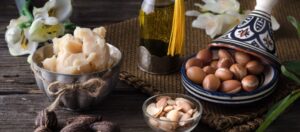
Raw Shea Butter
Raw shea butter benefits are often considered the greatest because it undergoes minimal processing.
Characteristics:
- Cream or ivory color
- Slight nutty aroma
- Rich in natural vitamins
- Contains more beneficial plant compounds
Many people seeking maximum skincare benefits prefer raw shea butter.
Unrefined Shea Butter
Unrefined shea butter is filtered to remove debris while retaining most of its natural nutrients.
Benefits include:
- Excellent moisturizing ability
- Natural antioxidants
- Minimal processing
- Suitable for DIY skincare
Refined Shea Butter
Refined shea butter undergoes additional processing to remove its natural scent and create a smoother texture.
Advantages:
- No noticeable fragrance
- Longer shelf life
- Uniform appearance
Possible drawbacks:
- Some vitamins and beneficial compounds may be reduced during processing.
Nutritional Composition of Shea Butter
One reason the benefits of shea butter for skin are so widely recognized is its unique composition.
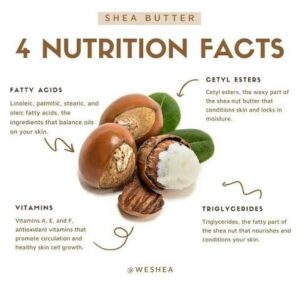
Key components include:
Fatty Acids
Shea butter naturally contains:
- Oleic acid
- Stearic acid
- Linoleic acid
- Palmitic acid
These fatty acids help soften the skin and support the skin’s natural moisture barrier.
Vitamin E
Vitamin E is a well-known antioxidant that helps protect the skin from environmental stressors.
Vitamin A
Vitamin A supports normal skin renewal and contributes to a smoother appearance.
Plant Sterols
These naturally occurring compounds help condition and calm the skin.
Triterpenes
Research suggests these compounds contribute to some of shea butter’s soothing and skin-supportive properties.
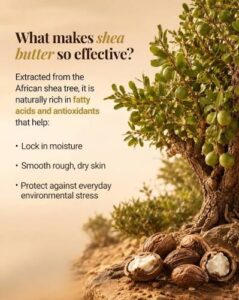
Why Is Shea Butter So Effective?
Healthy skin depends on a strong protective barrier that keeps moisture in while helping block outside irritants.
Dry weather, frequent washing, aging, and harsh skincare products can weaken this barrier.
Shea butter works mainly by:
- Sealing in moisture
- Softening rough skin
- Supporting the skin barrier
- Reducing water loss
- Conditioning dry areas
- Improving skin flexibility
Because it addresses several causes of dryness at once, it often provides longer-lasting comfort than lighter moisturizers.
Shea Butter Benefits for Skin
Many people first discover shea butter while searching for relief from dry, rough, or flaky skin. While its moisturizing ability is its best-known quality, its benefits go well beyond simple hydration.
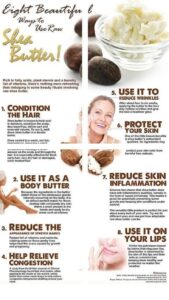
1. Deeply Moisturizes Dry Skin
One of the biggest benefits of shea butter for skin is its ability to provide long-lasting moisture.
Its rich fatty acid profile helps create a protective layer that reduces moisture loss while leaving the skin feeling soft and smooth.
People often use it on:
- Hands
- Elbows
- Knees
- Feet
- Arms
- Legs
- Dry facial areas
With regular use, many notice that rough patches become softer and more comfortable.
2. Supports the Skin Barrier
The skin barrier acts as the body’s first line of defense against dryness, pollution, and irritants.
When this barrier is weakened, skin can become:
- Tight
- Flaky
- Sensitive
- Easily irritated
Shea butter helps reinforce this protective barrier by supplying nourishing lipids that reduce water loss and improve overall skin comfort.
3. Softens Rough Areas
Areas such as the heels, elbows, and knees often lose moisture more quickly than other parts of the body.
Applying shea butter after bathing helps lock in hydration and gradually soften thick, rough skin.
For very dry heels, applying a generous layer before bed and wearing cotton socks overnight can enhance the moisturizing effect.
4. Helps Calm Dry, Itchy Skin
Dry skin often feels itchy because its protective barrier is compromised.
Shea butter’s rich emollient properties help reduce dryness, making the skin feel more comfortable.
While it is not a medical treatment for skin diseases, many people find it helpful as part of a daily moisturizing routine.
5. Leaves Skin Feeling Smooth
Regular moisturizing with shea butter can improve the overall texture of the skin.
Instead of feeling rough or tight, skin often becomes:
- Softer
- More supple
- Better hydrated
- More comfortable
This is one reason shea butter is commonly included in body butters designed for everyday use.
6. Supports Healthy-Looking Skin
Healthy skin reflects light more evenly, giving it a smoother and more radiant appearance.
By reducing dryness and improving hydration, shea butter can help skin look fresher and healthier over time.
Unlike products that create only a temporary shine, consistent moisturizing supports lasting improvements in skin texture.
7. May Help Improve the Appearance of Fine Lines
Dry skin often makes fine lines appear more noticeable.
Because shea butter improves hydration and supports skin elasticity, it may help reduce the appearance of these lines, especially those caused by dryness.
It’s important to remember that shea butter is not a replacement for prescription anti-aging treatments, but it can be a valuable part of a moisturizing routine.
8. Helps Protect Against Environmental Dryness
Cold weather, wind, indoor heating, and low humidity can quickly strip moisture from the skin.
Applying shea butter creates a protective layer that helps reduce moisture loss, making it especially useful during winter months.
9. Can Be Used on Sensitive Skin
Many people with sensitive skin tolerate pure, fragrance-free shea butter well because it contains few added ingredients.
However, it’s still wise to perform a patch test before using any new skincare product, especially if you have allergies or highly reactive skin.
10. Supports Soft Hands and Cuticles
Frequent hand washing and sanitizing can leave the hands feeling dry.
Massaging a small amount of shea butter into the hands and cuticles before bed can help restore softness and reduce roughness over time.
Final Thoughts
Shea butter has remained one of the world’s most trusted natural beauty ingredients for good reason. Rich in nourishing fatty acids, vitamins, and skin-conditioning compounds, it provides deep hydration while helping protect the skin’s natural barrier. Whether you’re looking to soothe dry skin, soften rough patches, improve your hair’s moisture, or simplify your beauty routine with a natural ingredient, shea butter offers a versatile solution that has stood the test of time.
While no single ingredient can solve every skincare or haircare concern, incorporating high-quality raw or unrefined shea butter into your daily routine can make a noticeable difference in comfort, softness, and overall appearance. Choosing pure shea butter, using it consistently, and applying it correctly will help you get the most from its many benefits.
If you’re searching for a simple, effective, and naturally derived moisturizer, shea butter is an excellent addition to your skincare and haircare routine. With regular use and realistic expectations, it can help support healthier-looking skin and hair for years to come.