
Natural personal care focuses on using ingredients and habits that are gentle on your skin, hair, and body while avoiding unnecessary exposure to harsh chemicals or irritating substances. A good natural personal care routine emphasizes simple, effective products, healthy lifestyle habits, and consistent daily care rather than relying on complicated beauty routines or miracle claims.
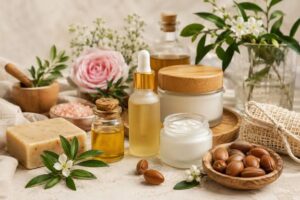
Whether you’re just beginning your journey or looking to improve your existing routine, this Natural Personal Care Guide explains everything you need to know—from understanding natural ingredients to creating a sustainable routine that supports healthy skin, strong hair, and overall well-being.
What Is a Natural Personal Care Guide?
A Natural Personal Care Guide is a practical resource that teaches people how to care for their skin, hair, body, and overall hygiene using naturally derived ingredients, healthy daily habits, and gentle products. Rather than promising perfect beauty, it focuses on maintaining healthy skin and hair while reducing unnecessary irritation and supporting long-term wellness.
Natural personal care has become increasingly popular as more people pay attention to ingredient labels and seek products that align with their personal values. Some prefer natural products because they have sensitive skin, while others want environmentally conscious options or simply enjoy using plant-based ingredients.
A natural routine doesn’t mean avoiding all science or believing that every synthetic ingredient is harmful. Instead, it’s about making informed decisions based on your skin type, lifestyle, and personal preferences.
At its core, natural personal care encourages balance rather than perfection.
Why Natural Personal Care Matters
Many daily personal care products stay on the skin or come into contact with the body for extended periods. While regulated cosmetic products are generally considered safe when used as directed, some people experience irritation from certain fragrances, preservatives, or harsh cleansing agents.

Choosing gentler alternatives may help:
- Reduce skin irritation
- Support the skin’s natural moisture barrier
- Minimize dryness
- Improve comfort for sensitive skin
- Encourage healthier daily habits
Natural personal care also encourages paying attention to the overall health of your skin instead of simply covering problems.
For example:
Instead of using strong cleansers multiple times a day, a natural routine emphasizes maintaining the skin barrier.
Instead of applying numerous products unnecessarily, it promotes using only what your skin truly needs.
Understanding Natural Personal Care
Natural personal care goes beyond choosing products labeled “natural.”

It includes:
- Daily hygiene
- Healthy skin care
- Hair care
- Oral care
- Body care
- Nail care
- Scalp care
- Sun protection
- Healthy nutrition
- Hydration
- Sleep
- Stress management
All these factors work together to influence how your skin and hair look and feel.
For instance, expensive skincare products cannot fully compensate for chronic sleep deprivation or poor hydration. Likewise, healthy eating alone won’t replace basic cleansing and moisturizing.
Natural care is about combining good habits with thoughtful product choices.
Natural vs. Conventional Personal Care
Many people assume natural products are automatically better than conventional ones, but the reality is more nuanced.
| Natural Personal Care | Conventional Personal Care |
|---|---|
| Often uses plant-derived ingredients | May use natural and synthetic ingredients |
| Usually emphasizes minimal formulations | Often includes specialized active ingredients |
| May contain essential oils and botanical extracts | May contain laboratory-developed ingredients |
| Appeals to people seeking simple routines | Often designed for targeted cosmetic concerns |
| Ingredients vary widely between brands | Ingredients also vary widely between brands |
Neither category is inherently good or bad.
Many synthetic ingredients have excellent safety records, while some natural ingredients can trigger allergies or irritation.
The goal is not to fear ingredients but to understand them.
Benefits of Natural Personal Care
Natural personal care may help maintain healthy skin and hair by focusing on gentle cleansing, nourishing ingredients, and consistent daily habits. Benefits vary from person to person, but many people appreciate the simplicity, reduced irritation, and mindful approach it encourages.

1. Supports the Skin Barrier
Your skin barrier helps retain moisture while protecting against environmental irritants.
Harsh cleansers and excessive exfoliation can weaken this barrier.
Many natural routines prioritize:
- Gentle cleansers
- Mild moisturizers
- Limited exfoliation
- Simple ingredient lists
These habits can help maintain comfortable, hydrated skin.
2. Encourages Ingredient Awareness
One of the biggest benefits is learning to read labels.
Instead of buying products based only on advertising, you’ll understand:
- Active ingredients
- Botanical extracts
- Preservatives
- Fragrances
- Oils
- Humectants
- Emollients
This knowledge helps you choose products that suit your individual needs.
3. Promotes Consistency
Healthy skin rarely comes from using dozens of products.
Consistency usually matters more.
A simple routine practiced every day often produces better results than constantly changing products.
4. May Reduce Irritation
Some individuals with sensitive skin find that fragrance-free or minimally formulated natural products are more comfortable.
However, it’s important to remember that natural ingredients can also cause reactions.
Always patch test new products.5. Supports Sustainable Habits
Many natural personal care enthusiasts also choose practices such as:
- Using refillable containers
- Reducing product waste
- Buying only what they need
- Selecting biodegradable packaging when possible
These choices can reduce environmental impact, although sustainability depends on the specific product and manufacturer.
Is Natural Always Better
No. Natural ingredients are not automatically safer or more effective than synthetic ones. Both natural and synthetic ingredients have advantages and limitations. The best choice depends on your skin type, personal preferences, and how a product is formulated.

Some common examples include:
Tea Tree Oil
May help with oily or blemish-prone skin when properly diluted.
Too much can irritate the skin.
Lemon Juice
Often promoted online for brightening skin.
Using fresh lemon juice directly on the skin can cause irritation and increase sensitivity to sunlight.
Coconut Oil
Works well for some people as a body moisturizer.
May clog pores for individuals with acne-prone facial skin.
Essential Oils
Many smell wonderful.
Some can trigger allergic reactions or irritation, especially when applied undiluted.
Natural doesn’t automatically mean gentle.
Understanding Natural Ingredients
Learning about ingredients helps you make smarter decisions.
Here are some commonly used natural ingredients.
Aloe Vera
Known for its soothing properties.
Often used in:
- Moisturizers
- After-sun products
- Face masks
- Gels
Suitable for many skin types.
Shea Butter
Rich in fatty acids.
Commonly used for:
- Dry skin
- Rough elbows
- Knees
- Hands
- Body creams
Provides long-lasting moisture.
Oat Extract
Excellent for sensitive skin.
May help calm temporary irritation and dryness.
Often found in:
- Gentle cleansers
- Body lotions
- Baby products
Jojoba Oil
Closely resembles the skin’s natural oils.
Works well for many skin types.
Often included in facial oils and moisturizers.
Argan Oil
Popular in both skincare and haircare.
Often used to improve softness and reduce dryness.
Chamomile
Frequently included in products designed for sensitive skin due to its calming properties.
Green Tea Extract
Contains antioxidant compounds.
Often used in products designed to protect the skin from environmental stress.
Honey
Naturally attracts moisture.
Commonly used in face masks and cleansers.
Not suitable for infants under one year if ingested, though topical cosmetic use differs.
Oatmeal
Finely ground oatmeal is commonly used in soothing baths for dry or itchy skin.
Ingredients to Look For
Depending on your skin type, these ingredients are commonly appreciated:
For Dry Skin
- Shea butter
- Glycerin
- Aloe vera
- Oat extract
- Squalane (plant-derived)
- Jojoba oil
For Oily Skin
- Green tea
- Niacinamide
- Aloe vera
- Witch hazel (used carefully)
- Lightweight plant oils
For Sensitive Skin
- Oat extract
- Calendula
- Chamomile
- Fragrance-free formulations
For Hair Care
- Argan oil
- Coconut oil
- Aloe vera
- Rosemary oil (used appropriately in formulated products or diluted)
- Jojoba oil
Ingredients to Be Careful With
Even natural ingredients deserve caution.
Examples include:
- Undiluted essential oils
- Citrus oils before sun exposure
- Baking soda used frequently on skin
- Undiluted apple cider vinegar
- Lemon juice applied directly to the face
- Cinnamon powder in DIY masks
These ingredients may cause irritation or damage the skin barrier if used improperly.
How to Build a Natural Personal Care Routine
The best natural personal care routine is simple, consistent, and tailored to your skin and hair type. Focus on cleansing, moisturizing, protecting your skin from the sun, and using only the products you truly need.
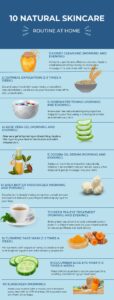
Instead of following dozens of beauty trends, begin with the essentials.
Step 1: Know Your Skin Type
Ask yourself:
- Is my skin oily?
- Dry?
- Combination?
- Sensitive?
- Normal?
Understanding your skin type helps you avoid unnecessary products.
Step 2: Choose Gentle Cleansers
Look for cleansers that remove dirt without leaving your skin tight or uncomfortable.
Avoid over-cleansing, especially if your skin feels dry afterward.
Step 3: Moisturize Daily
Every skin type benefits from appropriate hydration.
Even oily skin often needs a lightweight moisturizer.
Step 4: Protect Your Skin from the Sun
Daily sunscreen remains one of the most effective ways to protect skin from premature aging and reduce the risk of sun damage.
Natural personal care should always include sun protection.
Step 5: Introduce New Products Slowly
Adding multiple new products at once makes it difficult to identify what works—or what causes irritation.
Introduce one new product at a time and observe your skin for several days.
Morning Natural Personal Care Routine
A simple morning routine can help prepare your skin and body for the day without overwhelming it.
Step 1: Gentle Cleanse
Wash your face with a mild cleanser or simply rinse with water if appropriate for your skin type.
Step 2: Apply a Hydrating Toner (Optional)
A hydrating toner can add moisture and prepare the skin for the next steps. Avoid alcohol-heavy formulas if they leave your skin feeling dry.
Step 3: Moisturize
Use a moisturizer suited to your skin type. Lightweight lotions work well for oily skin, while richer creams may benefit dry skin.
Step 4: Sunscreen
Apply a broad-spectrum sunscreen every morning, even on cloudy days or when staying indoors near windows.
Step 5: Lip Care
Protect your lips with a moisturizing balm to help prevent dryness.
Evening Natural Personal Care Routine
Your evening routine focuses on removing makeup, sunscreen, and daily buildup while helping your skin recover overnight.
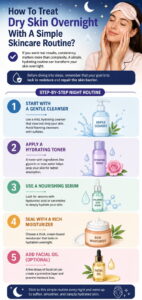
Step 1: Remove Makeup (If Worn)
Use a gentle makeup remover or cleansing balm before washing your face.
Step 2: Cleanse
Wash away dirt, oil, and residue with a mild cleanser.
Step 3: Apply Targeted Treatments (If Needed)
If you use treatments such as niacinamide or other active ingredients, apply them according to product directions.
Step 4: Moisturize
Finish with a nourishing moisturizer to support overnight hydration.
Weekly Self-Care Routine
In addition to your daily habits, set aside time once or twice a week for extra care.
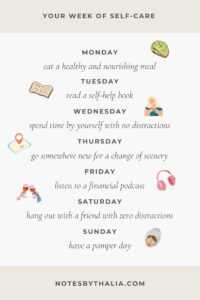
Ideas include:
- A gentle exfoliation (if suitable for your skin)
- A hydrating face mask
- A deep-conditioning hair treatment
- Trimming nails and caring for cuticles
- Cleaning makeup brushes and beauty tools
- Replacing used towels with clean ones
- Checking product expiration dates
These small habits can help keep your routine effective and hygienic.
Lifestyle Habits That Support Natural Beauty
Healthy skin and hair are influenced by more than topical products.

Consider these supportive habits:
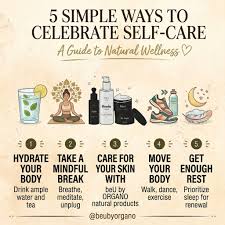
- Drink enough water throughout the day.
- Eat a balanced diet rich in fruits, vegetables, whole grains, healthy fats, and protein.
- Get consistent, restorative sleep.
- Manage stress through activities you enjoy, such as walking, yoga, reading, or meditation.
- Avoid smoking and limit alcohol consumption if applicable.
- Stay physically active to support overall health.
These habits contribute to overall wellness, which often reflects in the condition of your skin and hair.
Common Myths About Natural Personal Care

Myth 1: Natural Products Never Cause Allergies
Fact: Any ingredient, natural or synthetic, can cause an allergic reaction in some individuals. Patch testing is always a good practice.
Myth 2: More Products Mean Better Results
Fact: A consistent, simple routine often works better than layering many products without a clear purpose.
Myth 3: DIY Is Always Safer
Fact: Homemade recipes can be enjoyable, but some ingredients—such as lemon juice, undiluted essential oils, or baking soda—may irritate the skin if used incorrectly.
Myth 4: Oily Skin Doesn’t Need Moisturizer
Fact: Even oily skin benefits from appropriate hydration. Skipping moisturizer may leave the skin feeling unbalanced.