
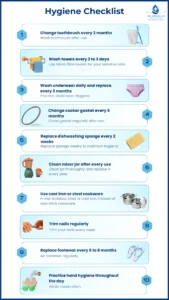
This comprehensive guide covers essential personal hygiene tips for every age, including daily routines, skincare, oral care, feminine hygiene, hair care, nail care, clothing hygiene, and practical habits that help prevent illness while promoting confidence and comfort.
What Is Personal Hygiene?
Personal hygiene refers to the daily practices that keep your body clean and healthy. It includes washing your hands, bathing regularly, brushing your teeth, caring for your hair and nails, wearing clean clothes, and maintaining good feminine hygiene. These habits help prevent illness while supporting physical and emotional well-being.
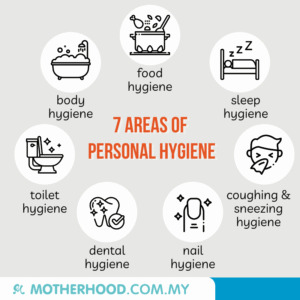
Personal hygiene is much more than looking clean. It protects against bacteria, viruses, fungi, and other germs that can cause infections. Good hygiene also improves self-confidence, creates positive first impressions, and supports overall health.
Personal Hygiene Includes
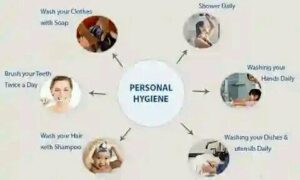
- Hand washing
- Daily bathing
- Oral care
- Hair care
- Nail care
- Foot care
- Skin care
- Menstrual hygiene
- Wearing clean clothes
- Proper toilet hygiene
Takeaway
Personal hygiene combines everyday habits that protect your health while helping you feel fresh and confident.
Why Personal Hygiene Matters at Every Age
Good hygiene benefits people of every age by reducing the spread of germs, preventing infections, improving confidence, and supporting healthier skin, teeth, and hair. Although hygiene needs change throughout life, maintaining consistent daily habits remains essential for lifelong health.
As we grow older, our bodies change. Children learn basic hygiene habits, teenagers experience hormonal changes, adults manage busy routines, and older adults may need extra skin and dental care.
Benefits of Good Hygiene
| Benefit | Why It Matters |
|---|---|
| Prevents illness | Reduces bacteria and viruses |
| Protects skin | Helps avoid irritation and infections |
| Improves oral health | Prevents cavities and gum disease |
| Boosts confidence | Helps you feel fresh throughout the day |
| Reduces body odor | Keeps you comfortable in social situations |
| Supports healthy aging | Protects sensitive skin and overall wellness |
Takeaway
Healthy hygiene habits improve physical health, confidence, and quality of life at every stage.
Daily Hygiene Habits Everyone Should Follow
A simple daily hygiene routine includes washing your hands frequently, bathing, brushing and flossing your teeth, wearing clean clothes, caring for your skin, and staying hydrated. These small habits create long-term health benefits while reducing the risk of infections.

Morning Routine
- Brush your teeth for two minutes
- Wash your face
- Shower if needed
- Apply moisturizer
- Wear clean underwear and clothes
- Use deodorant
- Brush your hair
Throughout the Day
- Wash hands before eating
- Wash hands after using the restroom
- Stay hydrated
- Cover coughs and sneezes
- Avoid touching your face unnecessarily
Evening Routine
- Remove makeup completely
- Wash your face
- Brush and floss your teeth
- Change into clean sleepwear
- Moisturize dry skin
Daily Hygiene Checklist
✔ Brush teeth twice daily
✔ Wash hands often
✔ Bathe regularly
✔ Wear clean clothes
✔ Drink enough water
✔ Clean your face
✔ Use deodorant
✔ Sleep in clean clothing
Takeaway
A consistent routine is more effective than occasional deep cleaning. Small daily habits make the biggest difference.
Personal Hygiene Tips for Children
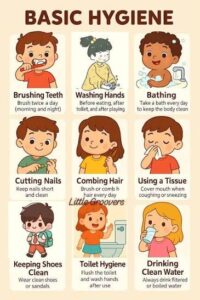
Children should learn hygiene habits early through simple routines and positive reinforcement. Teaching hand washing, brushing teeth, bathing, and wearing clean clothes helps establish healthy habits that often continue into adulthood.
Important Habits
- Wash hands before meals
- Brush teeth morning and night
- Bathe regularly
- Keep nails trimmed
- Wear clean socks daily
- Cover coughs with elbows
Parents can make hygiene fun by using colorful toothbrushes, songs, or reward charts.
Takeaway
Children develop lifelong habits when hygiene is taught consistently and positively.
Personal Hygiene Tips for Teen Girls
Teenage years bring hormonal changes that increase oil production, sweating, and body odor. A consistent hygiene routine helps manage acne, maintain feminine health, reduce odor, and build confidence during adolescence.
Essential Tips
- Shower daily after sports
- Wash oily hair as needed
- Change underwear every day
- Wear breathable cotton clothing
- Remove makeup before sleeping
- Practice proper menstrual hygiene
- Use deodorant if desired
Skin Care Basics
- Gentle cleanser
- Moisturizer
- Sunscreen SPF 30+
- Avoid picking pimples
Takeaway
Good hygiene helps teenagers stay healthy while navigating physical changes with confidence.
Personal Hygiene Tips for Adult Women
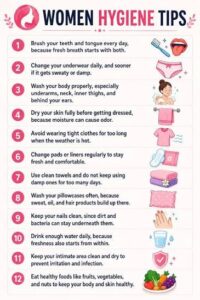
Adult women often balance work, family, and personal responsibilities. Maintaining regular hygiene routines—including skincare, oral care, feminine hygiene, and stress management—supports overall health while preventing common infections and skin problems.
Healthy Daily Routine
- Shower regularly
- Maintain oral hygiene
- Wash reusable water bottles
- Change workout clothes promptly
- Moisturize dry skin
- Wash makeup brushes regularly
- Sleep on clean pillowcases
Hygiene During Exercise
Always:
- Shower after workouts
- Wear moisture-wicking clothing
- Wash gym towels after use
- Clean reusable water bottles
Takeaway
Busy schedules should not replace healthy hygiene habits. Consistency is more important than perfection.
Personal Hygiene Tips for Older Women
As women age, skin becomes thinner, drier, and more sensitive. Gentle cleansing, regular moisturizing, proper oral care, and comfortable clothing help maintain hygiene while protecting delicate skin and supporting overall comfort.
Recommended Habits
- Use mild cleansers
- Moisturize daily
- Stay hydrated
- Brush and floss regularly
- Keep nails trimmed
- Wear breathable fabrics
- Check feet regularly
Takeaway
Gentle care becomes increasingly important with age.
Common Personal Hygiene Mistakes
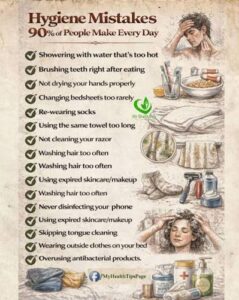
Even people with good intentions sometimes make hygiene mistakes that can irritate the skin or increase infection risk. Avoiding these common habits helps keep your hygiene routine both safe and effective.
Mistakes to Avoid
- Not washing hands long enough
- Sharing towels
- Sleeping with makeup
- Using expired cosmetics
- Wearing damp clothing
- Forgetting to replace toothbrushes
- Washing hair with overly hot water
- Ignoring nail hygiene
- Wearing the same workout clothes repeatedly
Takeaway
Small changes in your routine can significantly improve your health and comfort.
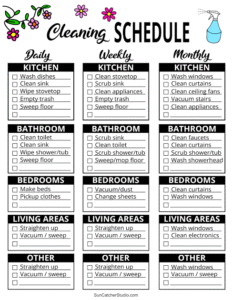
Daily, Weekly, and Monthly Hygiene Checklist
Daily
- ✅ Brush teeth twice
- ✅ Floss once
- ✅ Wash hands frequently
- ✅ Shower or bathe
- ✅ Wear clean underwear
- ✅ Wash your face
- ✅ Apply moisturizer
- ✅ Drink plenty of water
Weekly
- ✅ Wash makeup brushes
- ✅ Change bed sheets
- ✅ Trim nails
- ✅ Wash towels
- ✅ Clean hairbrushes
Monthly
- ✅ Replace toothbrush if worn
- ✅ Check skincare expiration dates
- ✅ Organize hygiene products
- ✅ Clean cosmetic storage
Frequently Asked Questions
How often should I shower?
Most people benefit from showering daily or every other day, depending on activity level, climate, skin type, and personal preference. Shower after exercise or heavy sweating.
How often should I brush my teeth?
Brush twice daily with fluoride toothpaste for two minutes and floss once each day.
Is hand sanitizer better than soap?
Soap and water are the best option when available. Hand sanitizer works well when soap and water aren’t accessible, especially if it contains at least 60% alcohol.
How often should towels be washed?
Bath towels should generally be washed after about three to four uses, while face towels should be replaced more frequently.
Why is removing makeup before bed important?
Sleeping with makeup can clog pores, increase irritation, and contribute to breakouts. Cleansing your face each night helps keep your skin healthier.How often should I replace my toothbrush?
Replace your toothbrush or toothbrush head approximately every three to four months, or sooner if the bristles become frayed.
Does drinking water improve hygiene?
Hydration supports healthy skin, saliva production, and overall body function, making it an important part of a healthy hygiene routine.
Final Thoughts
Personal hygiene is a lifelong investment in your health, confidence, and overall quality of life. The habits you build today—from washing your hands and brushing your teeth to caring for your skin, hair, and nails—can help prevent illness and support long-term wellness. While hygiene needs naturally evolve from childhood through older adulthood, the foundation remains the same: consistency, cleanliness, and self-care.
By following these Essential Personal Hygiene Tips for Every Age, you can create a practical routine that fits your lifestyle and helps you feel your best every day. Remember that small, consistent actions often have the greatest impact, making personal hygiene one of the simplest and most effective ways to care for yourself and those around you.