
How to Reduce Hair Fall Naturally: Effective Tips for Stronger, Healthier Hair
Introduction: Understanding Hair Fall and Natural Solutions
Hair fall is a common concern among women and can happen because of stress, poor nutrition, hormonal changes, lifestyle habits, or improper hair care. The good news is that many everyday habits can help reduce hair fall naturally. A healthy diet, gentle hair care routine, scalp care, and stress management can support stronger hair growth over time.
Hair shedding is a normal part of the hair growth cycle, but excessive hair fall may indicate that your hair needs extra attention. Instead of depending only on expensive treatments, natural methods can help improve scalp health and protect your hair from unnecessary damage.
In this guide, you will learn practical ways to reduce hair fall naturally and build a simple routine for healthier, thicker-looking hair.
Key Takeaway: Natural hair care focuses on improving scalp health, strengthening hair strands, and creating healthy habits that support long-term results.
What Causes Hair Fall in Women?
Hair fall in women can occur due to several internal and external factors. Common causes include nutritional deficiencies, stress, hormonal changes, heat styling, harsh products, and poor scalp care. Understanding the reason behind hair fall is the first step toward choosing the right solution.

Some hair fall is temporary, while other types may require professional advice. Paying attention to changes in your hair can help you identify possible triggers early.
Common Causes of Hair Fall
| Cause | How It Affects Hair |
|---|---|
| Stress | Can disturb the natural hair growth cycle |
| Poor nutrition | Limits essential nutrients needed for strong hair |
| Hormonal changes | May affect hair thickness and shedding |
| Heat styling | Can weaken hair strands and cause breakage |
| Chemical treatments | May damage hair structure |
| Tight hairstyles | Can pull and weaken hair roots |
| Scalp problems | May affect healthy hair growth |
Signs Your Hair Fall May Need Attention
-
Sudden increase in hair shedding
-
Visible thinning areas
-
Excessive hair breakage
-
Itchy or irritated scalp
-
Hair becoming weaker than before
Takeaway: Identifying the cause of hair fall helps you choose the right natural approach instead of treating only the symptoms.
How to Reduce Hair Fall Naturally With a Healthy Diet
A balanced diet plays an important role in reducing hair fall naturally because hair needs proper nutrients to grow strong. Protein, vitamins, minerals, and healthy fats support hair structure and scalp health. Eating nutrient-rich foods regularly can help improve hair strength from within.
Hair is mainly made of keratin, a protein that requires adequate nutrition. When the body lacks important nutrients, hair may become weak, dry, or more prone to shedding.
Foods That Support Healthy Hair
1. Eat Enough Protein
Protein is essential for building strong hair strands.
Include:
- Eggs
- Fish
- Chicken
- Lentils
- Beans
- Greek yogurt
- Nuts and seeds
2. Add Iron-Rich Foods
Low iron levels can contribute to hair weakness in some people.
Good sources include:
- Spinach
- Beans
- Lentils
- Pumpkin seeds
- Lean meat
3. Include Healthy Fats
Omega-3 fatty acids support scalp health and help maintain moisture.
Sources include:
- Walnuts
- Flaxseeds
- Chia seeds
- Fatty fish
4. Eat Vitamin-Rich Fruits and Vegetables
Important vitamins help maintain healthy hair.
Examples:
- Berries
- Citrus fruits
- Carrots
- Sweet potatoes
- Leafy greens
Takeaway: A nutrient-rich diet provides the foundation for stronger hair and can help reduce hair fall naturally.
Improve Your Hair Care Routine to Reduce Hair Fall
A gentle hair care routine can prevent unnecessary hair damage and reduce breakage. Using suitable products, avoiding harsh treatments, and handling your hair carefully can make a noticeable difference in hair strength.

Many women experience hair fall because of daily habits such as aggressive brushing, frequent heat styling, or using products that do not suit their scalp.
Simple Hair Care Habits for Less Hair Fall
Choose a Gentle Shampoo
Avoid shampoos that leave your scalp extremely dry or irritated.
Look for:
- Mild cleansing ingredients
- Scalp-friendly formulas
- Moisturizing properties
Avoid Washing Hair Too Frequently
Overwashing may remove natural oils that protect the scalp and hair.

Tips:
- Wash according to your scalp type
- Use lukewarm water
- Avoid harsh scrubbing
Be Gentle After Washing
Wet hair is more fragile and easier to break.
Follow these steps:
- Use a soft towel
- Avoid aggressive rubbing
- Detangle slowly with a wide-tooth comb
Limit Heat Styling
Frequent use of:
- Hair straighteners
- Curling irons
- Blow dryers
can weaken hair over time.
If you use heat tools:
- Apply heat protectant
- Use lower temperatures
- Avoid daily styling
Takeaway: Small changes in your daily hair routine can protect your hair from damage and help reduce hair fall naturally.
Use Natural Oils for Better Scalp Health
Natural oils can support scalp care by providing moisture and improving the overall condition of dry hair. While oils cannot instantly stop hair fall, regular scalp massage with suitable oils may help create a healthier environment for hair growth.
Choosing the right oil depends on your scalp type and hair needs. Some oils work better for dryness, while others are preferred for lightweight nourishment.

Popular Natural Oils for Hair Care
| Oil | Potential Benefits |
|---|---|
| Coconut oil | Helps reduce protein loss from hair |
| Rosemary oil | Commonly used in scalp care routines |
| Argan oil | Helps improve softness and shine |
| Almond oil | Provides moisture and nourishment |
| Jojoba oil | Similar to natural scalp oils |
How to Apply Hair Oil Properly
- Take a small amount of oil.
- Massage gently into the scalp.
- Leave it for a suitable time.
- Wash with a mild shampoo.
- Avoid applying excessive oil.
Important: Some people may experience scalp irritation from certain oils. Always do a patch test before regular use.
Takeaway: Natural oils can support healthier hair when used correctly as part of a balanced hair care routine.
Scalp Care Tips to Reduce Hair Fall Naturally
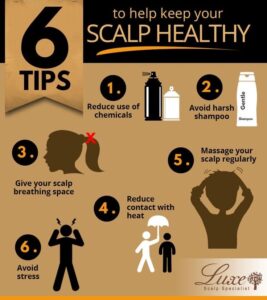
A healthy scalp creates the right environment for healthy hair. Scalp buildup, dryness, and irritation can affect hair quality. Maintaining scalp cleanliness and circulation through gentle care can improve overall hair condition.
Your scalp deserves the same attention as your skin because it supports every hair strand.
Effective Scalp Care Practices
Keep Your Scalp Clean
Regular cleansing helps remove:
- Excess oil
- Product buildup
- Dirt
Massage Your Scalp
Gentle scalp massage may help improve relaxation and support circulation.
How to massage:
- Use fingertips, not nails
- Apply gentle pressure
- Massage for a few minutes
Avoid Scratching
Frequent scratching can irritate the scalp and weaken hair.
Choose Products Based on Your Scalp Type
Different scalp types need different care:
| Scalp Type | Helpful Approach |
|---|---|
| Dry scalp | Use moisturizing products |
| Oily scalp | Use lightweight cleansing products |
| Sensitive scalp | Avoid harsh ingredients |
Takeaway: Healthy scalp habits support stronger hair and can help reduce unnecessary hair fall.
Natural Hair Masks to Strengthen Hair
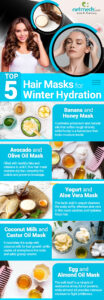
Hair masks can provide extra moisture and nourishment, especially for dry or damaged hair. Homemade masks using natural ingredients may improve hair softness and reduce breakage when included in a proper routine.
Hair masks do not replace a healthy diet or medical treatment, but they can support overall hair care.
Easy Natural Hair Mask Ideas
1. Aloe Vera Hair Mask
Benefits:
- Helps moisturize the scalp
- Supports smoother-looking hair
- May reduce dryness
How to use:
- Apply fresh aloe vera gel
- Leave for 20–30 minutes
- Rinse thoroughly
2. Yogurt and Honey Mask
Benefits:
- Provides moisture
- Helps improve hair texture
How to use:
- Mix yogurt with a small amount of honey
- Apply to hair lengths
- Wash after 20 minutes
3. Banana Hair Mask
Benefits:
- Helps soften dry hair
- Provides natural conditioning
Takeaway: Natural hair masks can improve hair appearance and reduce breakage when used alongside healthy habits.
Manage Stress to Reduce Hair Fall
Stress management is an important part of reducing hair fall naturally because prolonged stress can affect the body’s normal functions, including the hair growth cycle. Creating healthy stress-relief habits can support overall wellness and healthier-looking hair.
Modern lifestyles often include work pressure, lack of sleep, and emotional stress, which may contribute to hair concerns.
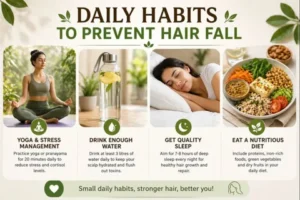
Simple Stress Management Tips
Try:
- Getting enough sleep
- Practicing meditation
- Doing regular exercise
- Spending time outdoors
- Taking short breaks during busy days
Improve Sleep Quality
Poor sleep may affect your overall health.
Helpful habits:
- Maintain a regular sleep schedule
- Reduce screen time before bed
- Create a relaxing bedtime routine
Takeaway: Managing stress and improving sleep can support your body’s natural ability to maintain healthy hair.
Common Mistakes That Increase Hair Fall
Many daily habits can unknowingly damage hair. Avoiding these mistakes can help protect your hair and reduce unnecessary shedding.

Hair Care Mistakes to Avoid
❌ Brushing wet hair aggressively
❌ Using too much heat
❌ Wearing tight hairstyles frequently
❌ Skipping meals
❌ Using too many chemical treatments
❌ Ignoring scalp problems
❌ Applying too many products at once
Better Alternatives
| Instead of | Try |
|---|---|
| Rough towel drying | Gentle pat drying |
| Daily heat styling | Natural hairstyles |
| Tight ponytails | Loose hairstyles |
| Harsh products | Gentle formulas |
Takeaway: Avoiding damaging habits is one of the easiest ways to protect your hair naturally.
When Should You Consult a Hair Specialist?
Natural methods can support healthier hair, but some types of hair loss require professional evaluation. If hair fall is sudden, severe, or continues for a long time, a dermatologist can help identify the underlying cause.
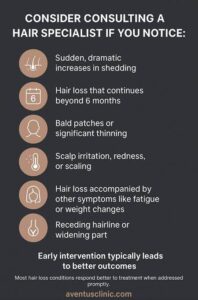
Consider Professional Advice If You Notice:
- Sudden heavy hair shedding
- Bald patches
- Scalp pain or severe itching
- Rapid hair thinning
- Hair loss with other health changes
A professional can recommend appropriate tests or treatments based on your individual condition.
Takeaway: Natural care is helpful, but persistent or severe hair loss should be checked by a qualified professional.
Frequently Asked Questions (FAQs)
1. How can I reduce hair fall naturally at home?
You can reduce hair fall naturally by improving your diet, using gentle hair care practices, managing stress, protecting your scalp, and avoiding habits that damage hair.
2. Which foods help reduce hair fall?
Foods rich in protein, iron, vitamins, and healthy fats may support stronger hair. Examples include eggs, fish, nuts, seeds, leafy vegetables, and fruits.
3. Does oiling help reduce hair fall?
Oiling can help improve hair moisture and reduce dryness-related breakage. However, excessive hair fall may have other causes that need attention.
4. How often should I wash my hair?
Hair washing frequency depends on your scalp type. People with oily scalps may need more frequent washing, while dry scalps may require less frequent cleansing.
5. Can stress cause hair fall?
Yes, prolonged stress can affect the hair growth cycle and may contribute to increased shedding in some people.
Final Thoughts: Building a Natural Routine for Healthier Hair
Reducing hair fall naturally requires consistency, patience, and a complete approach. Healthy hair starts from inside the body and improves through proper nutrition, gentle care, scalp maintenance, and stress management.
There is no single solution that works for everyone. The best approach is to understand your hair needs and create habits that support long-term hair health.
Simple Natural Hair Fall Reduction Checklist
✅ Eat a balanced diet
✅ Drink enough water
✅ Use gentle hair products
✅ Massage your scalp regularly
✅ Avoid excessive heat styling
✅ Protect your hair from damage
✅ Manage stress and sleep well
Final Takeaway: The most effective way to reduce hair fall naturally is to combine healthy lifestyle choices with gentle, consistent hair care practices.