
Dark circles under the eyes are common and can have several causes, including genetics, aging, lack of sleep, sun exposure, allergies, dermatitis, rubbing the eyes, and increased pigmentation. The best way to reduce their appearance is to identify the likely cause and combine gentle skincare, sun protection, adequate sleep, and healthy habits. Some cases may need professional dermatological treatment.
Dark circles can make the face look tired even when you feel perfectly rested. They may appear brown, gray, blue, purple, or almost black depending on your skin tone and what is causing them.
The good news is that you don’t necessarily need an elaborate routine. Small, consistent changes can make the under-eye area look brighter, smoother, and less tired.
What Are Dark Circles Under the Eyes?
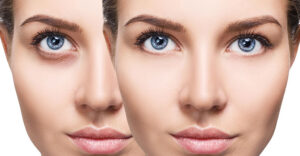
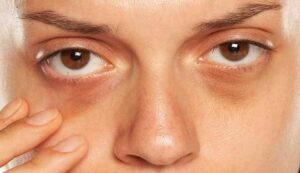
Dark circles are areas beneath the eyes that appear darker than the surrounding facial skin. They aren’t one single condition. The color and appearance can result from pigmentation, visible blood vessels, thin skin, shadows from hollows, puffiness, or a combination of these factors.
This distinction matters because the right approach depends on why your dark circles are appearing.
For example:
- Brownish circles may be related to pigmentation.
- Blue or purple tones can be more noticeable when blood vessels show through thin skin.
- Hollowing beneath the eyes can create shadows that look like dark circles.
- Puffiness can make the area appear darker because of shadows.
- Irritation or rubbing can worsen discoloration.
There isn’t one universal cream or home remedy that works for everyone.
What Causes Dark Circles?
Dark circles can develop for several reasons. Sometimes more than one factor is involved.
1. Genetics
Some people naturally have more visible under-eye pigmentation, thinner skin, or a facial structure that creates shadows beneath the eyes.
If dark circles run in your family, they may be difficult to eliminate completely. However, their appearance can often be improved.
2. Lack of Sleep
A poor night’s sleep doesn’t necessarily create permanent dark circles, but it can make existing circles and shadows look more noticeable.
Fatigue may also make the skin look paler, which can increase the contrast between the skin and visible blood vessels underneath.
3. Aging
As skin ages, it can become thinner and lose some of its firmness. Changes in the tissues beneath the eyes can also create hollows, which cast shadows.
In this situation, the darkness isn’t necessarily caused by pigmentation alone.
4. Sun Exposure
UV exposure can stimulate melanin production and contribute to pigmentation around the eyes.
Regular sun protection is therefore one of the most useful long-term habits for preventing pigmentation from becoming more noticeable.
5. Rubbing or Scratching the Eyes
Frequent rubbing can irritate the delicate skin around the eyes and may worsen swelling or discoloration.
If you regularly rub your eyes because of allergies or irritation, addressing the underlying problem can be more useful than simply applying another skincare product.
6. Allergies and Skin Conditions
Conditions such as eczema and contact dermatitis can affect the skin around the eyes. Allergies can also contribute to dark, puffy areas beneath the eyes.
7. Dehydration and Lifestyle Factors
Dehydration may make the under-eye area look dull. Smoking, excessive alcohol consumption, and ongoing stress can also contribute to a tired-looking appearance.
Can Dark Circles Be Removed Permanently?
Usually, dark circles can’t be permanently eliminated with a single home treatment because their appearance depends on the underlying cause. Genetics, aging, pigmentation, visible blood vessels, and facial structure may continue to contribute to them.

However, consistent skincare, sun protection, healthy habits, and appropriate professional treatments can make many types of dark circles less noticeable.
This is an important expectation to have before trying expensive products or treatments.
The goal is often improvement rather than complete removal.
How to Reduce the Appearance of Dark Circles Naturally
You don’t need to completely change your lifestyle overnight. Start with the habits that are most relevant to your situation.
1. Get Consistent, Quality Sleep
Aim for a regular sleep schedule and enough sleep for your individual needs.
For many adults, around seven to nine hours is a reasonable general target, although individual needs vary.
Try to:
- Go to bed and wake up at consistent times.
- Avoid regularly staying up very late.
- Create a relaxing bedtime routine.
- Reduce unnecessary screen use before bed if it interferes with sleep.
- Address snoring or persistent sleep problems with a healthcare professional.
Sleep won’t necessarily remove genetic or structural dark circles, but it can prevent tiredness from making them look more pronounced.
2. Protect the Under-Eye Area From the Sun
Sun protection is one of the most important long-term steps if pigmentation contributes to your dark circles.
Use a broad-spectrum sunscreen with SPF 30 or higher and apply it carefully around the eye area while avoiding direct contact with the eyes.
Sunglasses can provide additional protection.
If sunscreen irritates your eye area, choose a formulation that you tolerate well and avoid applying it too close to the eye itself.
3. Use a Cool Compress
A cool compress can temporarily reduce puffiness and may make dark circles look less noticeable when visible blood vessels and swelling contribute to their appearance.
Try:
- Wet a clean, soft washcloth with cool water.
- Gently place it over the closed eyes.
- Leave it there for a few minutes.
- Remove it without rubbing the skin.
Mayo Clinic notes that cooling the area may help shrink visible blood vessels and improve the appearance of dark circles.
Avoid placing ice directly against the skin.
4. Stop Rubbing Your Eyes
This is a simple step that many people overlook.
If you frequently rub your eyes because they itch, burn, or feel irritated, try to identify the reason. Allergies and dermatitis can contribute to under-eye discoloration and irritation.
Instead of rubbing:
- Use a gentle touch when cleansing.
- Pat the area dry.
- Avoid harsh makeup removal.
- Address persistent itching or irritation.
- Be particularly careful when removing waterproof eye makeup.
The skin under the eyes is delicate, so aggressive rubbing isn’t worth the temporary relief.
5. Keep the Under-Eye Skin Moisturized
A moisturizer won’t correct every type of dark circle, but maintaining the skin barrier can help the area look smoother and healthier.
Look for a gentle, fragrance-free moisturizer if your eye area is easily irritated.
Apply a small amount with your ring finger or another gentle touch. Don’t pull or stretch the skin.
Skincare Ingredients That May Help
Certain ingredients may help improve specific types of under-eye darkness, but they aren’t interchangeable.

Caffeine
Caffeine is commonly included in products designed for the under-eye area. It may temporarily improve the appearance of puffiness and vascular darkness.
Mayo Clinic lists caffeine among ingredients used in products that may reduce the appearance of dark circles to some degree.
Vitamin C
Vitamin C is commonly used in skincare for its antioxidant properties and its role in addressing uneven pigmentation.
However, the under-eye area is sensitive, so products should be formulated appropriately and introduced carefully.
Vitamin K
Vitamin K is another ingredient found in some products marketed for dark circles. Mayo Clinic notes that vitamin K is among ingredients used in products that may provide some improvement in appearance.
Kojic Acid
Kojic acid is used in skincare products targeting pigmentation. Because the eye area is sensitive, don’t apply strong pigmentation treatments directly to the eyelids or too close to the eyes unless the product is specifically designed for that area.
A practical rule
More ingredients don’t necessarily mean better results.
If you’re introducing a new eye product, start with one product rather than several active ingredients at once. This makes it easier to identify irritation.
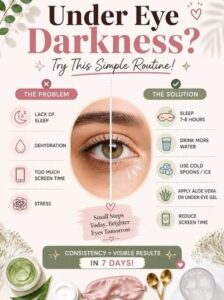
How to Build a Simple Dark Circle Skincare Routine
A simple routine is often easier to follow consistently.
Morning
Step 1: Gentle cleansing
Use a mild cleanser if you need one. Avoid scrubbing the under-eye area.
Step 2: Hydration
Apply a gentle moisturizer or eye product that your skin tolerates.
Step 3: Sun protection
Finish with broad-spectrum SPF 30 or higher.
Step 4: Sunglasses
Wear sunglasses outdoors when appropriate for additional protection.
Evening
Step 1: Remove makeup gently
Use a suitable makeup remover and avoid rubbing.
Step 2: Cleanse
Wash your face with a gentle cleanser.
Step 3: Apply your chosen treatment
If you’re using an eye product, follow its instructions and avoid getting it inside your eyes.
Step 4: Moisturize
Keep the surrounding skin comfortable and hydrated.
Consistency matters more than having a shelf full of products.
How to Reduce Dark Circles From Lack of Sleep
If your dark circles become more obvious after several late nights, focus on improving your sleep routine rather than immediately buying a new eye cream.

Try these habits:
- Maintain a consistent bedtime.
- Give yourself enough time to sleep.
- Keep your bedroom comfortable and dark.
- Avoid habits that repeatedly disrupt your sleep.
- Manage stress before bedtime.
- Don’t rely on makeup alone to disguise chronic tiredness.
Sleep may improve the appearance of fatigue-related circles, but it won’t change genetic pigmentation or structural hollows.
How to Reduce Dark Circles Caused by Puffiness
Sometimes what looks like a dark circle is actually a shadow created by swelling or under-eye hollows.
For puffiness, you can try:
- A cool compress.
- Sleeping with your head slightly elevated.
- Getting adequate sleep.
- Reducing excessive alcohol intake.
- Managing allergies if they contribute to swelling.
- Avoiding frequent eye rubbing.
Elevating the head while sleeping may help reduce fluid accumulation around the lower eyelids.
How Makeup Can Hide Dark Circles
Skincare takes time, but makeup can provide an immediate cosmetic solution.
Step 1: Moisturize
Apply a small amount of moisturizer and allow it to settle.
Step 2: Use a Corrector if Needed
Color correction can help neutralize noticeable discoloration before concealer.
The exact shade depends on your skin tone and the color of your dark circles.
Step 3: Apply Concealer
Choose a concealer that blends naturally with your complexion.
Avoid applying a very thick layer. Heavy concealer can settle into fine lines and actually draw more attention to the area.
Step 4: Blend Gently
Use a small brush, sponge, or clean fingertip and blend rather than rubbing.
Step 5: Set Lightly
If your makeup tends to crease, use a small amount of setting powder. Too much powder can make the under-eye area look dry.
Beauty tip
If your dark circles are mainly caused by hollowness, adding more concealer may not completely solve the problem because the shadow is coming from facial structure rather than only skin color.
What About Cucumber Slices and Tea Bags?
Cold cucumber slices or cooled tea bags are popular home remedies.
They may feel soothing and cooling, and cold applications can temporarily reduce puffiness. However, they shouldn’t be treated as permanent solutions for genetic pigmentation, aging-related hollows, or significant hyperpigmentation.
If you try a home remedy, keep it gentle and stop if you experience irritation.
Never put irritating substances or homemade mixtures close to the eyes.
Professional Treatments for Persistent Dark Circles
If dark circles remain noticeable despite good skincare, a dermatologist can determine whether pigmentation, blood vessels, hollowness, puffiness, or another factor is responsible.
Depending on the cause, professional options may include:
- Prescription topical treatments
- Chemical peels
- Laser treatments
- Injectable fillers for suitable hollows
- Platelet-rich plasma procedures
- Eyelid surgery for certain structural concerns
These treatments aren’t appropriate for everyone. The choice depends on skin type, pigmentation, anatomy, medical history, and the actual cause of the darkness.
For people with brown or Black skin, some laser treatments can carry a risk of unwanted changes in pigmentation, so treatment should be selected carefully by a qualified professional.
Common Mistakes That Can Make Dark Circles Look Worse
1. Rubbing the eyes
Repeated friction can irritate delicate skin.
2. Skipping sunscreen
Sun exposure can worsen pigmentation.
3. Using too many active ingredients
The eye area can become irritated when several strong products are layered together.
4. Applying facial acids too close to the eyes
Many exfoliating products aren’t designed for the delicate eye area.
5. Expecting instant results
Pigmentation and structural changes generally don’t disappear overnight.
6. Using thick concealer
Too much product can settle into fine lines and emphasize texture.
7. Ignoring allergies or dermatitis
If itching or irritation is causing repeated rubbing, treating the underlying issue may be more helpful than repeatedly treating the discoloration.
8. Using untested DIY remedies
Natural doesn’t automatically mean safe for the eye area.
How to Prevent Dark Circles From Becoming More Noticeable
You can’t prevent every type of dark circle, particularly those related to genetics or aging. But you can reduce some contributing factors.
Make these habits part of your routine:
- Wear broad-spectrum SPF 30+.
- Wear sunglasses outdoors.
- Get adequate sleep.
- Avoid smoking.
- Limit excessive alcohol.
- Don’t rub your eyes.
- Treat persistent allergies or skin irritation.
- Keep the under-eye area moisturized.
- Remove makeup gently.
- Avoid unnecessary irritation.
Sun protection, adequate sleep, reducing smoking and excessive alcohol, and addressing underlying skin conditions are among the self-care measures recommended by medical sources for reducing the appearance of dark circles.
When Should You See a Doctor?
Dark circles are usually harmless and are often a cosmetic concern. However, you shouldn’t automatically assume every change around the eyes is a normal dark circle.
Talk to a healthcare professional if:
- Darkness or swelling appears under only one eye and gets worse.
- You develop significant swelling.
- The area becomes painful.
- You have persistent irritation or a rash.
- Your vision changes.
- The change develops suddenly.
- You have another concerning eye symptom.
Mayo Clinic specifically recommends medical evaluation when changes under one eye become progressively worse.
If you’re considering prescription products, chemical peels, lasers, fillers, or other procedures, a dermatologist can help determine which option makes sense for your particular cause and skin type.
How Long Does It Take to See Results?
The timeline depends on the cause.
Temporary puffiness: A cool compress or improved sleep may make the area look better relatively quickly.
Dryness or irritation: Improvement may occur after the skin barrier is given time to recover and the irritating trigger is removed.
Pigmentation: This generally requires more patience and consistent sun protection and skincare.
Genetic or structural dark circles: These may improve only partially with topical skincare because the underlying anatomy or inherited characteristics remain.
The key is to judge progress over time rather than expecting a dramatic overnight change.
Dark Circles by Cause: What to Focus On
| Likely Cause | What May Help |
|---|---|
| Lack of sleep | Improve sleep consistency |
| Sun-related pigmentation | SPF 30+, sunglasses, appropriate skincare |
| Eye rubbing | Stop rubbing and address the trigger |
| Allergies | Manage the underlying allergy |
| Dry or irritated skin | Gentle moisturizer and reduced irritation |
| Puffiness | Cool compress, sleep, head elevation |
| Genetics | Consistent skincare; professional options if desired |
| Aging/hollows | Skincare may help texture; professional assessment may be needed |
| Hyperpigmentation | Sun protection and appropriate pigment-focused skincare |
This table is a general guide rather than a diagnosis. Different causes can overlap.
Frequently Asked Questions
1. What is the fastest way to reduce the appearance of dark circles?
A cool compress can temporarily improve puffiness and the appearance of vascular darkness. Makeup can also conceal discoloration immediately. For longer-term improvement, focus on the underlying cause, consistent sun protection, adequate sleep, gentle skincare, and professional advice when necessary.
2. Can lack of sleep cause dark circles?
Lack of sleep can make existing dark circles and shadows more noticeable. However, persistent dark circles may have other causes, including genetics, aging, pigmentation, allergies, and facial structure.
3. Does drinking more water remove dark circles?
Staying adequately hydrated supports overall health and may help if dehydration is contributing to a dull-looking appearance. However, drinking more water won’t remove genetic pigmentation or structural hollows.
4. Can sunscreen help dark circles?
Yes. Sun exposure can contribute to increased pigmentation, so regular broad-spectrum SPF 30 or higher can help protect the area and prevent sun-related discoloration from becoming more noticeable.
5. Are dark circles caused by anemia?
Dark circles have many possible causes, and they shouldn’t automatically be attributed to anemia. Genetics, aging, fatigue, allergies, rubbing, pigmentation, sun exposure, and other factors are common explanations. If you’re concerned about a possible medical cause, speak with a healthcare professional rather than self-diagnosing.
6. Do eye creams really work for dark circles?
Some eye products may provide modest improvement depending on their ingredients and the cause of the darkness. However, an eye cream can’t fully correct every type of dark circle, especially those caused by genetics or facial hollows.
7. Can cucumber remove dark circles?
Cucumber may provide a cooling, soothing effect and temporarily reduce puffiness, but it isn’t a proven permanent treatment for genetic pigmentation, aging-related changes, or under-eye hollows.
8. Is vitamin C good for dark circles?
Vitamin C is commonly used to address uneven pigmentation and provide antioxidant support. It may be useful for some pigmentation-related dark circles, but the under-eye area is sensitive, so use an appropriately formulated product and introduce it carefully.
9. Can dark circles go away naturally?
Some dark circles related to temporary fatigue, puffiness, or irritation may become less noticeable when the contributing factor is addressed. Genetic, pigmentation-related, and structural dark circles may persist and require longer-term skincare or professional treatment for greater improvement.
10. When should I see a dermatologist?
Consider seeing a dermatologist if dark circles persist despite consistent care, are significantly affecting your appearance, or you’re interested in prescription treatments or procedures. Seek medical evaluation sooner if the change is one-sided, worsening, painful, associated with significant swelling, or accompanied by other concerning symptoms.
Key Takeaways
- Dark circles have multiple possible causes, so one treatment doesn’t work for everyone.
- Genetics, aging, pigmentation, allergies, eye rubbing, fatigue, sun exposure, and facial structure can all contribute.
- Sun protection is essential when pigmentation is involved.
- Adequate sleep may make fatigue-related circles less noticeable.
- A cool compress can temporarily improve puffiness.
- Avoid rubbing or aggressively treating the delicate eye area.
- Gentle moisturization can support a healthy skin barrier.
- Makeup can provide immediate cosmetic coverage.
- Persistent or structural dark circles may benefit from professional assessment.
- Dark circles are usually harmless, but new or worsening changes under one eye deserve medical attention.
Final Thoughts
Dark circles aren’t necessarily a sign that something is wrong with your skin. For many people, they’re simply part of their natural appearance, genetics, aging process, or facial structure.
If you’d like to reduce their appearance, start with the basics: sleep well, protect the under-eye area from the sun, avoid rubbing, keep the skin comfortable, and choose skincare based on the likely cause rather than following every beauty trend.
And remember that improvement doesn’t always mean making the area completely disappear. A healthy, natural-looking under-eye area can still have some visible darkness—and that’s perfectly normal.