
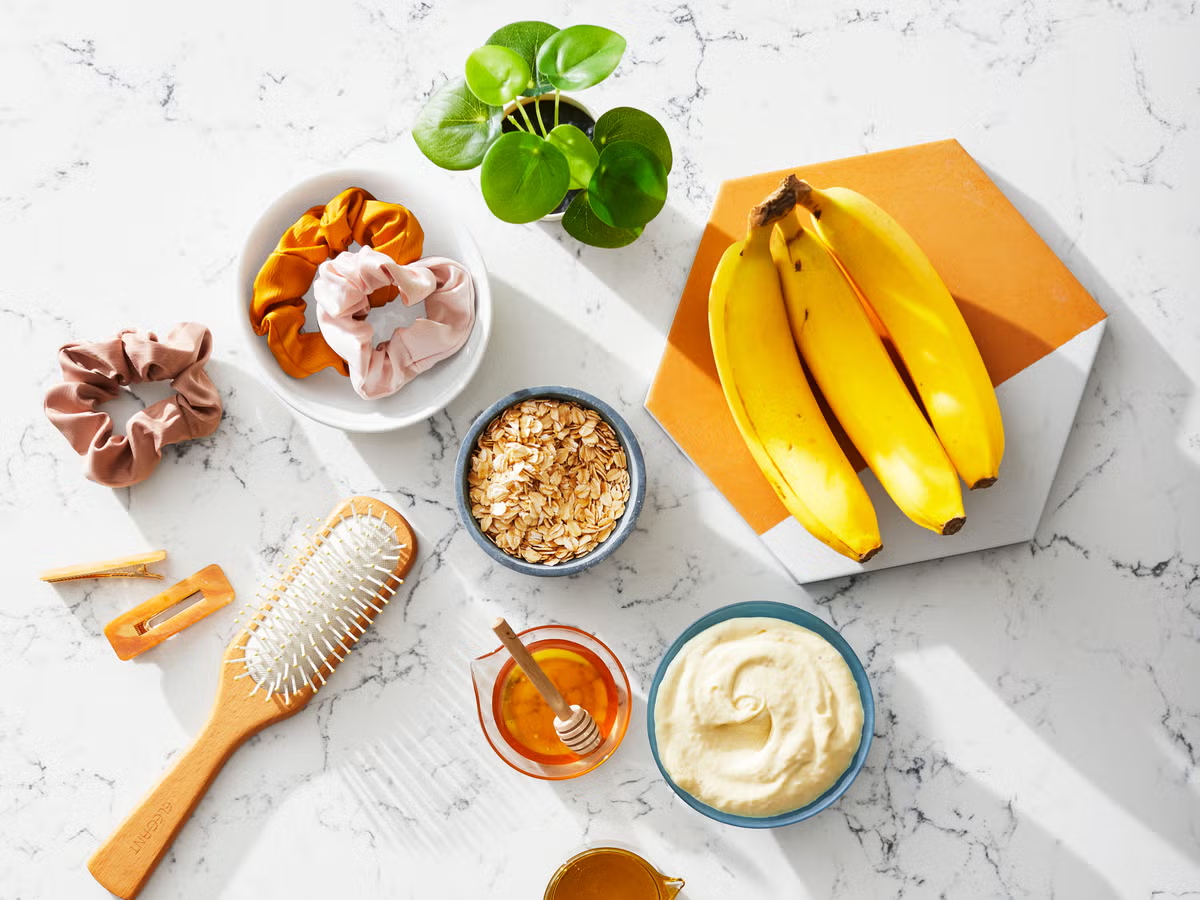
Natural Hair Masks for Hair Growth: DIY Recipes, Benefits, and How to Use Them.
Natural Hair Masks for Hair Growth
Healthy, thick hair starts with a healthy scalp and consistent hair care. While no hair mask can magically make your hair grow overnight, natural hair masks for hair growth can nourish your scalp, strengthen your hair strands, reduce breakage, and create the ideal environment for healthier hair growth.
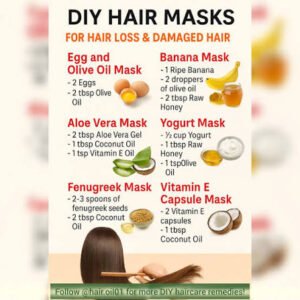
This guide explains how natural hair masks work, the best ingredients to use, easy DIY recipes, and practical tips to get the best results.
What Are Natural Hair Masks for Hair Growth?
Natural hair masks for hair growth are deep-conditioning treatments made from plant-based oils, fruits, herbs, and other natural ingredients that nourish the scalp and hair. While they don’t directly speed up hair growth, they improve hair health, reduce damage, and help hair grow longer by preventing breakage.
A hair mask is thicker and more nourishing than a regular conditioner. It stays on the hair longer, allowing beneficial ingredients to moisturize the scalp, strengthen hair fibers, and improve overall hair condition.
Common natural ingredients include:
- Coconut oil
- Aloe vera
- Honey
- Yogurt
- Avocado
- Banana
- Rosemary
- Castor oil
- Olive oil
- Egg
- Fenugreek seeds
These ingredients contain vitamins, fatty acids, antioxidants, proteins, and minerals that support healthy hair.
Key Takeaway
Natural hair masks support healthy hair by nourishing the scalp, reducing dryness, strengthening strands, and minimizing breakage.
Do Natural Hair Masks Really Help Hair Growth?
Natural hair masks improve the overall health of your scalp and hair, making it easier for hair to grow longer without excessive breakage. They work best as part of a complete hair care routine rather than as a standalone solution.
Hair grows from follicles beneath the scalp. Genetics, hormones, nutrition, age, and overall health largely determine growth speed. However, healthy hair care habits help protect growing hair.
Benefits include:
- Improved scalp hydration
- Reduced dryness
- Less hair breakage
- Stronger hair strands
- Better moisture balance
- Improved shine
- Reduced frizz
- Easier hair management
Example
Someone with dry, brittle hair may notice fewer split ends after using moisturizing masks regularly. Although hair doesn’t grow faster, healthier strands are less likely to break.
Key Takeaway
Natural masks don’t change your natural growth rate, but they help protect existing hair so it can grow longer over time.
Benefits of Using a Hair Mask
A good hair mask offers intensive nourishment beyond what a regular conditioner provides. Regular use can improve both scalp and hair health.
| Benefit | How It Helps |
|---|---|
| Deep hydration | Prevents dryness and brittleness |
| Stronger strands | Reduces breakage |
| Healthier scalp | Supports better hair growth conditions |
| Less frizz | Improves manageability |
| Better shine | Smooths the hair cuticle |
| Split-end protection | Helps reduce further damage |
| Softer texture | Makes hair easier to style |
Key Takeaway
A weekly hair mask helps keep hair hydrated, strong, and healthy.
Best Natural Ingredients for Hair Growth Masks
Natural ingredients provide different benefits depending on your hair type and concerns.
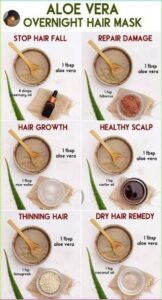
Aloe Vera
Aloe vera hydrates the scalp, soothes irritation, and provides lightweight moisture. It works well for oily and sensitive scalps.
Benefits:
- Moisturizes scalp
- Reduces dryness
- Soothes irritation
- Adds softness
Takeaway
Aloe vera is ideal for scalp hydration without leaving heavy residue.
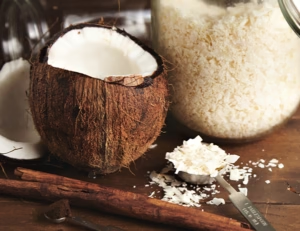
Coconut Oil
Coconut oil penetrates the hair shaft better than many oils, helping reduce protein loss and strengthen hair.
Benefits:
- Reduces breakage
- Moisturizes dry hair
- Adds shine
- Protects hair fibers
Takeaway
Coconut oil works especially well for dry or damaged hair.
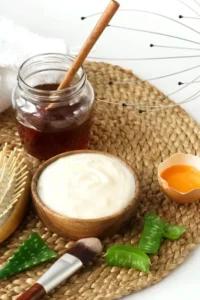
Honey
Honey acts as a natural humectant, attracting and retaining moisture.
Benefits:
- Locks in hydration
- Softens hair
- Adds shine
- Helps reduce dryness
Takeaway
Honey is excellent for dull and dehydrated hair.
Yogurt
Yogurt contains proteins and lactic acid that help smooth hair and gently cleanse the scalp.
Benefits:
- Softens hair
- Improves moisture
- Helps manage frizz
Takeaway
Yogurt is a simple ingredient for smoother, healthier-looking hair.
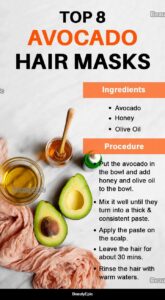
Avocado
Avocados contain healthy fats and vitamins that deeply nourish dry hair.
Benefits:
- Rich moisture
- Better elasticity
- Reduced breakage
- Improved softness
Takeaway
Avocado is one of the best ingredients for damaged hair.
Egg
Eggs contain protein that helps strengthen hair temporarily.
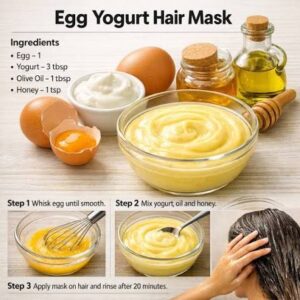
Benefits:
- Strengthens strands
- Adds shine
- Improves texture
Takeaway
Egg masks are most suitable for weak or damaged hair.
Rosemary
Rosemary is commonly used in scalp care because it supports a healthy scalp environment.
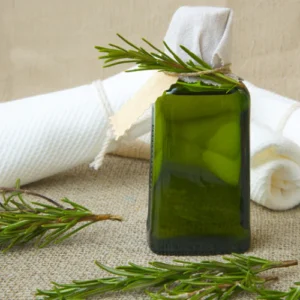
Benefits:
- Refreshes the scalp
- Supports healthy follicles
- Works well with carrier oils
Takeaway
Rosemary pairs well with coconut or olive oil in DIY hair masks.
7.Best DIY Natural Hair Masks for Hair Growth
1. Aloe Vera and Coconut Oil Hair Mask
This mask deeply hydrates dry hair while helping reduce breakage.
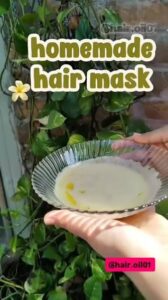
Ingredients
- 3 tablespoons aloe vera gel
- 2 tablespoons coconut oil
Instructions
- Mix thoroughly.
- Apply to scalp and hair.
- Leave for 30 minutes.
- Wash with a mild shampoo.
Best for:
- Dry hair
- Damaged hair
Takeaway
A simple moisturizing mask suitable for weekly use.
2. Banana and Honey Hair Mask
Bananas soften hair while honey seals in moisture.
Ingredients
- 1 ripe banana
- 2 tablespoons honey
Blend until smooth before applying.
Leave on for 25–30 minutes.
Takeaway
Ideal for frizzy, rough hair.
3. Avocado and Olive Oil Hair Mask
Rich in healthy fats, this mask nourishes dry hair.
Ingredients
- Half avocado
- 2 tablespoons olive oil
Leave for 30 minutes before rinsing.
Takeaway
Excellent for restoring softness and shine.
4. Yogurt and Honey Hair Mask
This lightweight mask hydrates without weighing hair down.
Ingredients:
- Half cup yogurt
- 1 tablespoon honey
Leave on for 20 minutes.
Takeaway
Perfect for normal to dry hair.
5. Egg and Olive Oil Hair Mask
Protein helps strengthen weak hair.
Ingredients:
- 1 egg
- 2 tablespoons olive oil
Leave for 20 minutes before rinsing with cool water.
Takeaway
Best for brittle or damaged hair.
6. Fenugreek Hair Mask
Fenugreek seeds become a nourishing paste after soaking overnight.
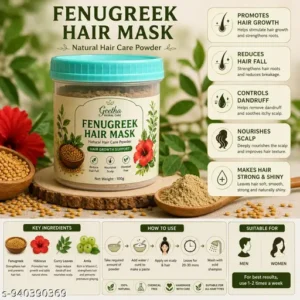
Ingredients:
- 2 tablespoons soaked fenugreek seeds
- Aloe vera gel
Blend into a smooth paste.
Leave for 30 minutes.
Takeaway
A traditional hair care recipe that helps condition the scalp and hair.
7. Rosemary Oil Hair Mask
Mix:
- 2 tablespoons coconut oil
- 1 tablespoon olive oil
- 2–3 drops rosemary essential oil
Massage gently into the scalp.
Leave on for 30 minutes.
Takeaway
Use rosemary essential oil only after diluting it in a carrier oil.
How Often Should You Use a Hair Mask?
Most people benefit from using a hair mask once or twice a week. The right frequency depends on your hair type, scalp condition, and level of damage.
| Hair Type | Frequency |
|---|---|
| Dry hair | 2 times weekly |
| Oily hair | Once weekly |
| Curly hair | 1–2 times weekly |
| Damaged hair | Twice weekly |
| Fine hair | Once weekly |
Key Takeaway
Using a hair mask too often can weigh hair down, while using it too rarely may limit its conditioning benefits.
Tips for Better Hair Growth Naturally
Hair masks work best when combined with healthy daily habits.
Checklist:
- Eat a balanced diet with enough protein.
- Stay hydrated.
- Massage your scalp regularly.
- Avoid excessive heat styling.
- Limit harsh chemical treatments.
- Trim split ends when needed.
- Sleep on a satin or silk pillowcase.
- Use a gentle shampoo.
- Protect hair from excessive sun exposure.
- Avoid tight hairstyles that pull on the scalp.
Key Takeaway
Healthy hair growth depends on consistent care, nutrition, and protecting hair from damage.
Common Mistakes to Avoid
Avoiding these habits helps you get the most from natural hair masks.
- Applying too much oil
- Leaving masks on overnight without need
- Skipping shampoo afterward when required
- Using essential oils without dilution
- Expecting immediate results
- Using ingredients that irritate your skin
- Applying hot water after treatment
Key Takeaway
Simple application mistakes can reduce the effectiveness of your hair care routine.
Frequently Asked Questions
Which natural hair mask is best for hair growth?
Aloe vera, coconut oil, avocado, rosemary oil, and fenugreek masks are among the most popular choices because they nourish the scalp and reduce hair breakage.
Takeaway
Choose a mask based on your hair type and concerns rather than expecting one ingredient to work for everyone.
Can I use a hair mask every day?
Daily use is usually unnecessary. Most people achieve good results by using a hair mask once or twice a week.
Takeaway
Moderate, consistent use is generally more effective than overusing hair treatments.
How long should I leave a hair mask on?
Most natural hair masks work well after 20–30 minutes. Follow the recipe instructions and avoid leaving masks on longer unless specifically recommended.
Takeaway
A 20–30 minute treatment is sufficient for most DIY masks.
Do natural hair masks stop hair fall?
Natural masks can reduce hair breakage caused by dryness and damage. However, they do not treat medical causes of hair loss.
Takeaway
If you experience sudden or excessive hair shedding, consult a healthcare professional or dermatologist.
Can I store homemade hair masks?
Fresh masks are best used immediately. Some mixtures may be refrigerated for up to 24 hours, but their quality can decline over time.
Takeaway
Prepare small batches for the freshest ingredients and best results.
Final Thoughts
Natural hair masks for hair growth are a simple, affordable way to support healthier hair. While they won’t change your natural hair growth rate, they can strengthen strands, nourish the scalp, improve moisture, and reduce breakage—helping your hair reach its full potential over time.
For the best results, choose ingredients that suit your hair type, use a hair mask consistently, maintain a balanced diet, protect your hair from damage, and practice gentle daily hair care. Healthy habits, patience, and regular maintenance are the foundation of stronger, shinier, and longer-looking hair.