
Rosemary oil is a natural essential oil widely used to support healthier hair and scalp.
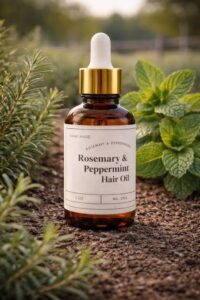
It may help improve scalp circulation, strengthen hair, reduce breakage, minimize dandruff, and support healthier hair growth when used consistently. While results vary, rosemary oil works best as part of a regular hair care routine combined with a healthy lifestyle.
Rosemary Oil Benefits for Hair
Healthy, shiny hair begins with a healthy scalp. Among the many natural ingredients used in hair care, rosemary oil has earned a strong reputation for supporting stronger, fuller-looking hair. For centuries, rosemary has been valued in traditional beauty practices, and today it remains a popular ingredient in hair oils, scalp serums, shampoos, conditioners, and hair masks.
Whether you’re dealing with thinning hair, a dry scalp, excessive shedding, or dull strands, rosemary oil may become a valuable addition to your routine.
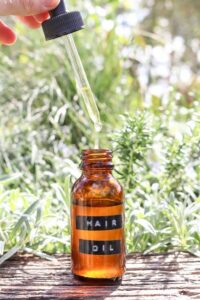
In this guide, you’ll learn:
- What rosemary oil is
- How it benefits your hair and scalp
- The science behind its popularity
- Who should use it
- The best ways to apply it safely
What Is Rosemary Oil?
Quick Answer
Rosemary oil is an essential oil extracted from the leaves of the rosemary plant. It contains natural compounds that may support scalp health, improve circulation, and create a healthier environment for hair growth.
Rosemary (Rosmarinus officinalis) is an aromatic herb native to the Mediterranean region. The essential oil is produced through steam distillation, preserving its active plant compounds.
Unlike regular cooking oils, rosemary oil is highly concentrated and should always be diluted with a carrier oil before applying it directly to the scalp.
Common carrier oils include:
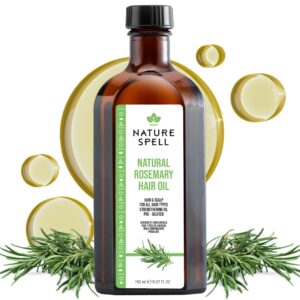
- Coconut oil
- Jojoba oil
- Argan oil
- Sweet almond oil
- Grapeseed oil
Takeaway
Rosemary oil is a concentrated botanical ingredient that should be diluted before use to help support healthier hair and scalp.
How Does Rosemary Oil Work for Hair?
Quick Answer
Rosemary oil may support hair health by improving scalp circulation, helping maintain healthy hair follicles, reducing excess oil buildup, and supporting a balanced scalp environment.
Healthy hair depends on healthy follicles. Hair follicles need oxygen, nutrients, and a clean scalp to function efficiently.
Researchers believe rosemary oil may help by:
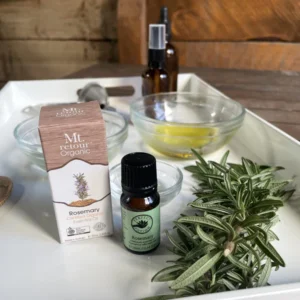
- Supporting healthy blood circulation to the scalp
- Helping maintain healthier hair follicles
- Reducing buildup that can clog follicles
- Supporting the scalp’s natural balance
- Helping protect hair from environmental stress
These combined effects may contribute to stronger, healthier-looking hair over time.
Takeaway
Rather than acting as a quick fix, rosemary oil supports the overall health of the scalp and hair follicles, making it most effective with consistent use.
Top Rosemary Oil Benefits for Hair
1. May Support Healthy Hair Growth
Quick Answer
One of the most recognized rosemary oil benefits for hair is its potential to support healthier hair growth by creating a better environment for hair follicles.
Hair grows in cycles. Factors such as aging, stress, genetics, poor nutrition, and scalp health can interrupt this cycle.
When the scalp is healthy, hair follicles are better positioned to produce stronger strands.
Regular use of diluted rosemary oil may:
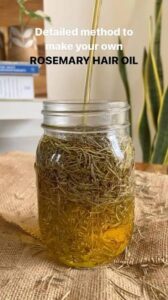
- Encourage healthier-looking hair
- Support the natural hair growth cycle
- Improve overall hair density
- Promote fuller-looking hair over time
While results differ from person to person, consistency is key.
Signs It May Be Helping
- Less hair shedding during washing
- Stronger hair strands
- Improved scalp condition
- Fuller appearance over time
Takeaway
Rosemary oil may help create healthier conditions for natural hair growth when used consistently over several months.
2. Helps Strengthen Hair
Quick Answer
Rosemary oil may help strengthen hair by supporting healthier follicles and reducing everyday damage that can lead to weak, brittle strands.
Hair experiences stress from:

- Heat styling
- Coloring
- Pollution
- UV exposure
- Tight hairstyles
- Frequent washing
Healthy follicles often produce stronger hair fibers.
Adding rosemary oil to your routine may help improve the appearance of:
- Weak hair
- Fragile strands
- Hair prone to snapping
- Overall hair resilience
Hair Strength Checklist
✔ Less breakage
✔ Stronger roots
✔ Healthier strands
✔ Improved elasticity
✔ Better shine
Takeaway
Stronger hair is less likely to break, making rosemary oil a useful addition to a strengthening hair care routine.
3. May Reduce Hair Breakage
Quick Answer
Hair breakage often occurs when strands become dry, weak, or damaged. Rosemary oil may help maintain healthier hair, making it more resistant to breakage.

Breakage is different from hair loss.
Hair loss begins at the root.
Breakage happens along the hair shaft.
Common causes include:
| Cause | Effect |
|---|---|
| Heat tools | Weakens hair |
| Bleaching | Increases brittleness |
| Tight hairstyles | Causes stress on strands |
| Dryness | Leads to splitting |
| Chemical treatments | Reduces strength |
Using rosemary oil alongside moisturizing products may improve overall hair condition.
Takeaway
Reducing breakage helps hair retain its length, creating the appearance of faster growth.
4. Supports a Healthier Scalp
Quick Answer
Healthy hair starts with a healthy scalp. Rosemary oil may help keep the scalp clean, balanced, and comfortable.
A healthy scalp should be:
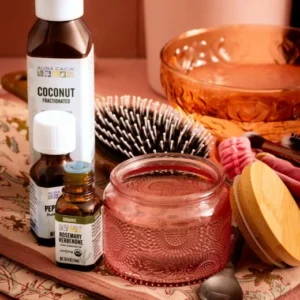
- Clean
- Comfortable
- Well moisturized
- Free from excessive buildup
When the scalp becomes irritated or clogged, hair may appear dull and unhealthy.
Using rosemary oil as part of your scalp care routine may help:
- Reduce excess oil
- Refresh the scalp
- Remove buildup during massage
- Support healthier follicles
Simple Weekly Scalp Routine
- Dilute rosemary oil with a carrier oil.
- Massage gently for 5–10 minutes.
- Leave on for 30–60 minutes.
- Wash with a gentle shampoo.
- Repeat 2–3 times per week.
Takeaway
Consistent scalp care creates a healthier foundation for stronger hair.
5. May Help Reduce Dandruff
Quick Answer
Rosemary oil may help improve scalp conditions associated with mild dandruff by supporting a cleaner, healthier scalp and reducing excess oil buildup.
Dandruff has several possible causes, including:

- Dry scalp
- Excess oil
- Product buildup
- Skin sensitivity
- Overgrowth of naturally occurring scalp yeast
Although rosemary oil is not a medical treatment for dandruff, many people find that it helps maintain a fresher, healthier scalp when used as part of a regular hair care routine.
For best results:
- Massage diluted rosemary oil into the scalp before washing.
- Use a gentle anti-dandruff shampoo if needed.
- Avoid scratching the scalp.
- Keep your scalp clean and moisturized.
Takeaway
Rosemary oil may support a healthier scalp, which can help reduce the appearance of mild dandruff over time.
Why Consistency Matters
Quick Answer
Like most natural hair care ingredients, rosemary oil works gradually. Visible improvements often require regular use over several weeks or months rather than days.
To get the best results:
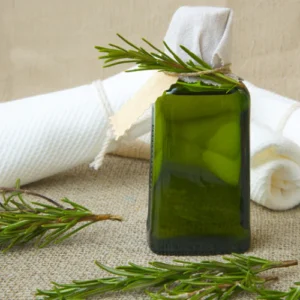
- Apply diluted rosemary oil 2–3 times per week.
- Massage it gently into the scalp.
- Use a sulfate-free shampoo if it suits your hair type.
- Eat a balanced diet rich in protein, iron, and vitamins.
- Limit excessive heat styling and harsh chemical treatments.
- Be patient and consistent.
Takeaway
Healthy hair develops over time. Consistent care and realistic expectations are key to seeing lasting improvements.
Summary
Rosemary oil is more than a popular natural remedy—it can be a valuable addition to a healthy hair care routine. By supporting scalp health, strengthening strands, reducing breakage, and creating a better environment for hair growth, it offers a range of potential benefits for many women.