

How to Choose a Moisturizer
Choosing the right moisturizer is one of the most important steps in any skincare routine. The best moisturizer keeps your skin hydrated, strengthens the skin barrier, and addresses concerns like dryness, oiliness, acne, or sensitivity. Understanding your skin type and checking ingredient labels can help you find a product that works for your unique needs.
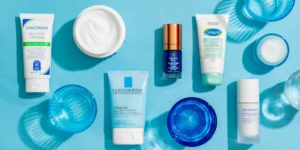
Whether you’re dealing with dry patches, excess oil, or sensitive skin, this guide explains how to choose a moisturizer that supports healthy, comfortable skin.
Why Moisturizer Matters
A moisturizer helps your skin retain water, reduces moisture loss, and supports a healthy skin barrier. Even oily skin benefits from daily moisturizing because hydrated skin functions better and is less likely to become irritated or overproduce oil.
Healthy skin depends on a strong protective barrier. Everyday exposure to weather, cleansing, pollution, and sun can weaken this barrier, leading to dryness and irritation.
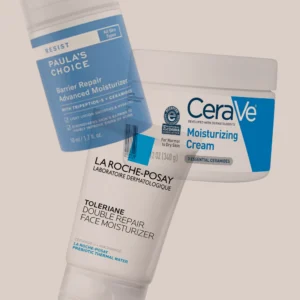
A quality moisturizer helps:
- Lock in hydration
- Reduce dryness and flaking
- Improve skin softness
- Support the skin barrier
- Soothe irritation
- Prepare skin for makeup
- Improve overall skin appearance
Using moisturizer consistently can make skin feel smoother and healthier over time.
Takeaway: Moisturizing isn’t optional—it’s essential for every skin type.
Step 1: Know Your Skin Type
The first step in choosing the best moisturizer is identifying your skin type. Dry, oily, combination, sensitive, and normal skin each have different hydration needs. Choosing products designed for your skin type improves comfort and helps prevent irritation or clogged pores.
Dry Skin
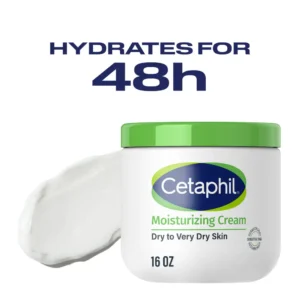
Dry skin often feels:
- Tight
- Rough
- Flaky
- Itchy
Look for moisturizers with:
- Ceramides
- Glycerin
- Hyaluronic acid
- Shea butter
- Squalane
Rich creams usually work better than lightweight lotions.
Oily Skin
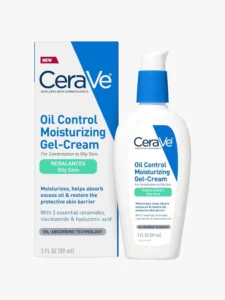
Oily skin produces excess sebum but still needs hydration.
Choose:
- Oil-free formulas
- Lightweight gel moisturizers
- Non-comedogenic products
Helpful ingredients include:
- Niacinamide
- Hyaluronic acid
- Glycerin
Avoid overly heavy creams unless your skin barrier is damaged.
Combination Skin
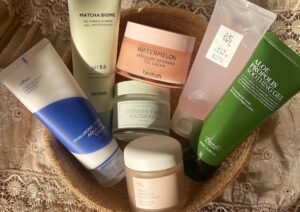
Combination skin has both oily and dry areas.
The best options include:
- Lightweight lotions
- Gel-cream formulas
- Balanced hydration
You may also use different moisturizers on different areas if needed.
Sensitive Skin
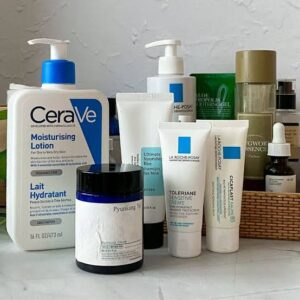
Sensitive skin reacts easily to fragrances or harsh ingredients.
Look for:
- Fragrance-free formulas
- Minimal ingredient lists
- Ceramides
- Colloidal oatmeal
- Panthenol
Patch test any new moisturizer before applying it to your entire face.
Normal Skin
Normal skin is balanced and generally tolerates many products well.
A lightweight cream with:
- Glycerin
- Ceramides
- Hyaluronic acid
is usually enough for daily hydration.
Takeaway: Understanding your skin type is the foundation of choosing the best moisturizer.
Step 2: Understand Moisturizer Ingredients
Reading ingredient labels helps you choose a moisturizer that matches your skin’s needs. Some ingredients attract water, others lock in moisture, while some repair the skin barrier. Learning these basics makes shopping much easier.
Humectants

Humectants attract water into the skin.
Examples:
- Hyaluronic acid
- Glycerin
- Aloe vera
- Sodium PCA
Best for:
- Dehydrated skin
- Oily skin
- Combination skin
Emollients
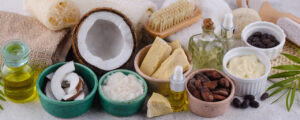
Emollients smooth and soften skin.
Examples:
- Squalane
- Fatty acids
- Plant oils
- Shea butter
Best for:
- Dry skin
- Rough skin
Occlusives
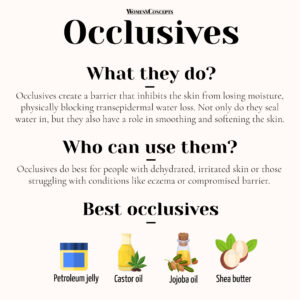
Occlusives reduce water loss.
Examples:
- Petrolatum
- Dimethicone
- Beeswax
Ideal for:
- Very dry skin
- Winter skincare
Barrier Repair Ingredients
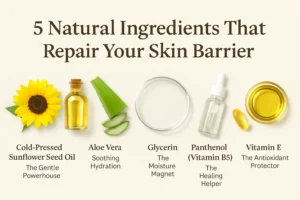
These strengthen the skin’s natural barrier.
Look for:
- Ceramides
- Cholesterol
- Fatty acids
Excellent for:
- Sensitive skin
- Compromised skin barrier
Takeaway: The right combination of ingredients matters more than expensive packaging or trendy marketing.
Step 3: Choose the Right Texture
Moisturizers come in different textures, including gels, lotions, creams, and balms. The right texture depends on your skin type, climate, and personal preference. Choosing a comfortable formula encourages consistent daily use.
| Texture | Best For |
|---|---|
| Gel | Oily skin |
| Gel-Cream | Combination skin |
| Lotion | Normal skin |
| Cream | Dry skin |
| Balm | Very dry skin |
Lightweight products work well during humid weather, while richer creams are often preferred in colder months.
Takeaway: Texture should match both your skin type and environment.
Step 4: Consider Your Skin Concerns
Besides skin type, think about your specific concerns. Some moisturizers target acne, aging, redness, dullness, or dehydration with carefully selected ingredients that support healthier-looking skin.
Acne-Prone Skin
Choose:
- Non-comedogenic moisturizer
- Oil-free formula
- Lightweight hydration
Helpful ingredients:
- Niacinamide
- Ceramides
- Hyaluronic acid
Aging Skin
Look for:
- Peptides
- Ceramides
- Hyaluronic acid
- Antioxidants
These ingredients support hydration and improve the appearance of fine lines.
Redness
Choose moisturizers containing:
- Colloidal oatmeal
- Panthenol
- Ceramides
Avoid strong fragrances and unnecessary essential oils.
Dehydrated Skin
Hydration-focused ingredients include:
- Glycerin
- Hyaluronic acid
- Aloe vera
Remember that dehydrated skin lacks water, while dry skin lacks oil.
Takeaway: Match your moisturizer to both your skin type and your primary concern.
Step 5: Choose According to Climate
Weather affects how your skin loses moisture. Lightweight moisturizers often feel better in hot, humid climates, while richer creams help protect skin during cold, dry seasons.
Summer
Choose:
- Gel moisturizers
- Lightweight lotion
- Oil-free formulas
Winter
Choose:
- Rich creams
- Barrier repair moisturizers
- Occlusive ingredients
Dry Indoor Air
Heating and air conditioning can dry out skin.
Increase hydration with:
- Cream moisturizers
- Humectants
- Ceramides
Takeaway: Adjust your moisturizer as the seasons change.
Step 6: Morning vs. Night Moisturizer
You can use different moisturizers during the day and at night. Daytime formulas are usually lighter and pair well with sunscreen, while nighttime moisturizers often provide richer hydration to support overnight skin repair.
Morning
Look for:
- Lightweight texture
- Fast absorption
- Works under sunscreen and makeup
Night
Look for:
- Rich hydration
- Barrier repair ingredients
- Longer-lasting moisture
Many people benefit from using two different products.
Takeaway: Day and night moisturizers can serve different purposes.
Ingredients to Avoid If Your Skin Is Sensitive
Sensitive skin may react to certain ingredients. While not everyone experiences irritation, avoiding common triggers can reduce the chance of redness, burning, or discomfort.
Watch for:
- Heavy fragrance
- High amounts of alcohol
- Excessive essential oils
- Harsh exfoliating acids if your skin barrier is already damaged
Always patch test new skincare products.
Takeaway: Gentle formulas reduce the risk of irritation.
Common Moisturizer Mistakes
Even the best moisturizer may not work well if used incorrectly. Avoiding common mistakes helps maximize hydration and supports healthier skin over time.
Common mistakes include:
- Skipping moisturizer because your skin is oily
- Using products that don’t match your skin type
- Applying too little product
- Forgetting your neck
- Not moisturizing after cleansing
- Expecting overnight results
- Changing products too frequently
Takeaway: Consistency is just as important as choosing the right formula.
How to Apply Moisturizer Correctly
Applying moisturizer correctly improves hydration. For best results, use it after cleansing while your skin is still slightly damp. This helps trap moisture and improves the effectiveness of hydrating ingredients.
Simple routine:
- Cleanse your face.
- Apply toner or serum if you use one.
- Apply moisturizer to slightly damp skin.
- Finish with sunscreen in the morning.
Avoid rubbing aggressively.
Takeaway: Correct application helps your moisturizer perform better.
Checklist: How to Choose the Best Moisturizer
✔ Identify your skin type
✔ Consider your main skin concern
✔ Read the ingredient list
✔ Choose the right texture
✔ Pick non-comedogenic products if acne-prone
✔ Look for fragrance-free formulas if sensitive
✔ Adjust your moisturizer for different seasons
✔ Apply consistently every day
Frequently Asked Questions
How do I know which moisturizer is best for me?
Start by identifying your skin type, then choose ingredients and textures that match your hydration needs. Dry skin usually benefits from richer creams, while oily skin often prefers lightweight gel formulas.
Is moisturizer necessary for oily skin?
Yes. Oily skin still needs hydration. Skipping moisturizer may leave the skin feeling dehydrated, which can contribute to excess oil production in some people.
Can I use the same moisturizer year-round?
You can if it continues to meet your skin’s needs. However, many people switch to lighter formulas in warm weather and richer creams during colder months.
Should I use moisturizer before sunscreen?
Yes. Apply moisturizer first, allow it to absorb, then apply sunscreen as the final step in your morning skincare routine.
How often should I moisturize?
Most people benefit from moisturizing twice daily—once in the morning and once before bed. You can also reapply if your skin feels dry.
Final Thoughts
Knowing how to choose a moisturizer doesn’t have to be complicated. Start by identifying your skin type, understanding key ingredients, and selecting a texture that feels comfortable. A moisturizer that supports your skin barrier and addresses your specific concerns can help keep your skin healthy, hydrated, and balanced over time.
Rather than following trends, focus on products with proven moisturizing ingredients and use them consistently. With the right choice and a simple routine, finding the best moisturizer for your skin becomes much easier.